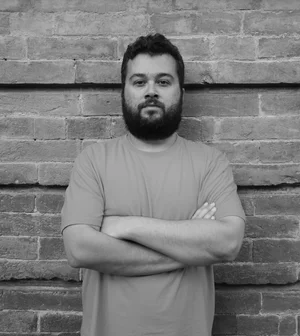
THE ART OF COMMAND BY LEMMA BREHAN
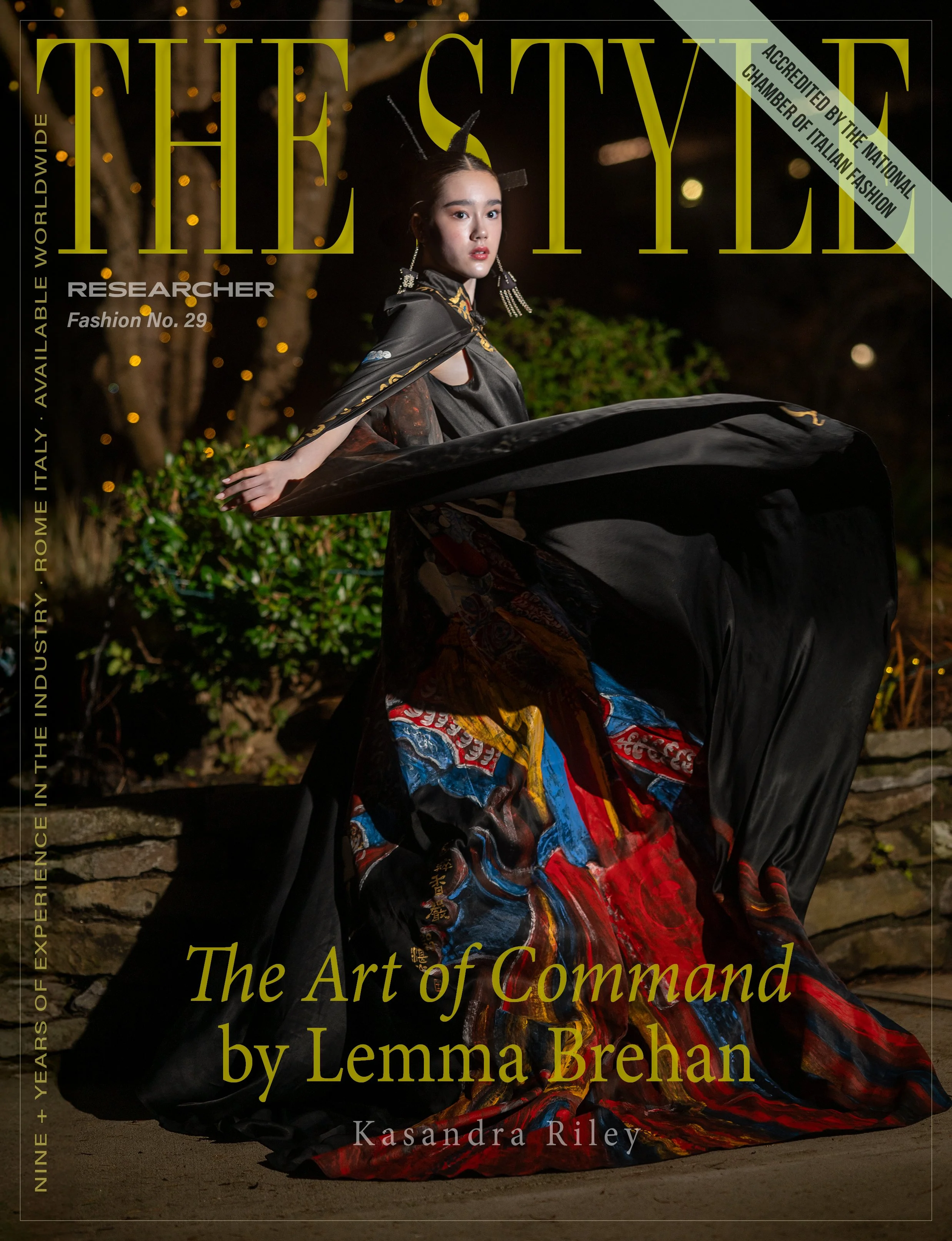
In this intimate conversation with Lemma Brehan, The Style Researcher Magazine explores the evolution of a creative who seamlessly bridges architecture and photography. From capturing nightlife energy to meditative long-exposure city walks, Brehan reflects on the moments, challenges, and cultural influences that have shaped his visual language. The result is a thoughtful look at how observation, movement, and structure come together to tell human-centered stories through the lens.
What first sparked your interest in your creative field?
My interest in photography was sparked by a lifelong fascination with capturing moments that often go unnoticed—especially in the interplay between light, structure, and human energy. Even while pursuing architecture overseas, I found myself drawn to nightlife, events, and fashion photography, chasing fleeting moments that told stories beyond blueprints and buildings. Photography became a natural extension of my architectural eye for form, balance, and perspective.
What has been the most challenging project or situation in your career, and how did you handle it?
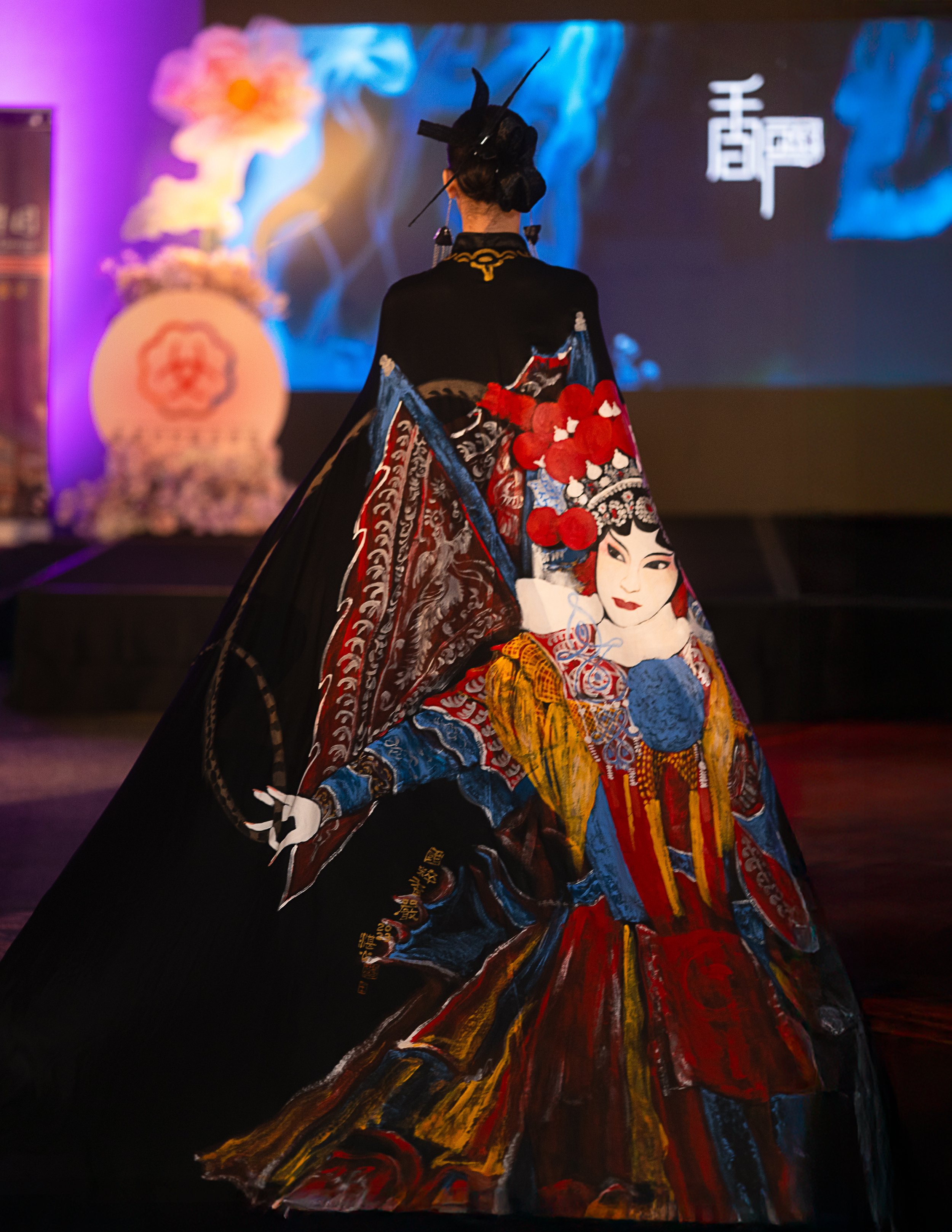
In 2009, at The Warbler bar in Bahrain, a woman noticed my old Nikon D80 and struck up a conversation. The next day, she invited me to photograph her and her fiancé in a private shoot. As a beginner working only with ambient light, I had to capture intimate moments without direction. That day taught me confidence, adaptability, and the power of seizing unexpected opportunities—lessons that still guide every project I take on.
How do you relax and unwind from the pressures of your work?
I find relaxation in exploring Seattle’s urban landscapes on foot, camera in hand. There’s a meditative quality in observing the rhythm of the city and its people. Sometimes I immerse myself in long-exposure or ICM (Intentional Camera Movement) projects, letting the process of creating abstract visuals quiet my mind. Music, reading about design, or simple quiet walks also help me recharge creatively.
How has your creative process evolved throughout your career?
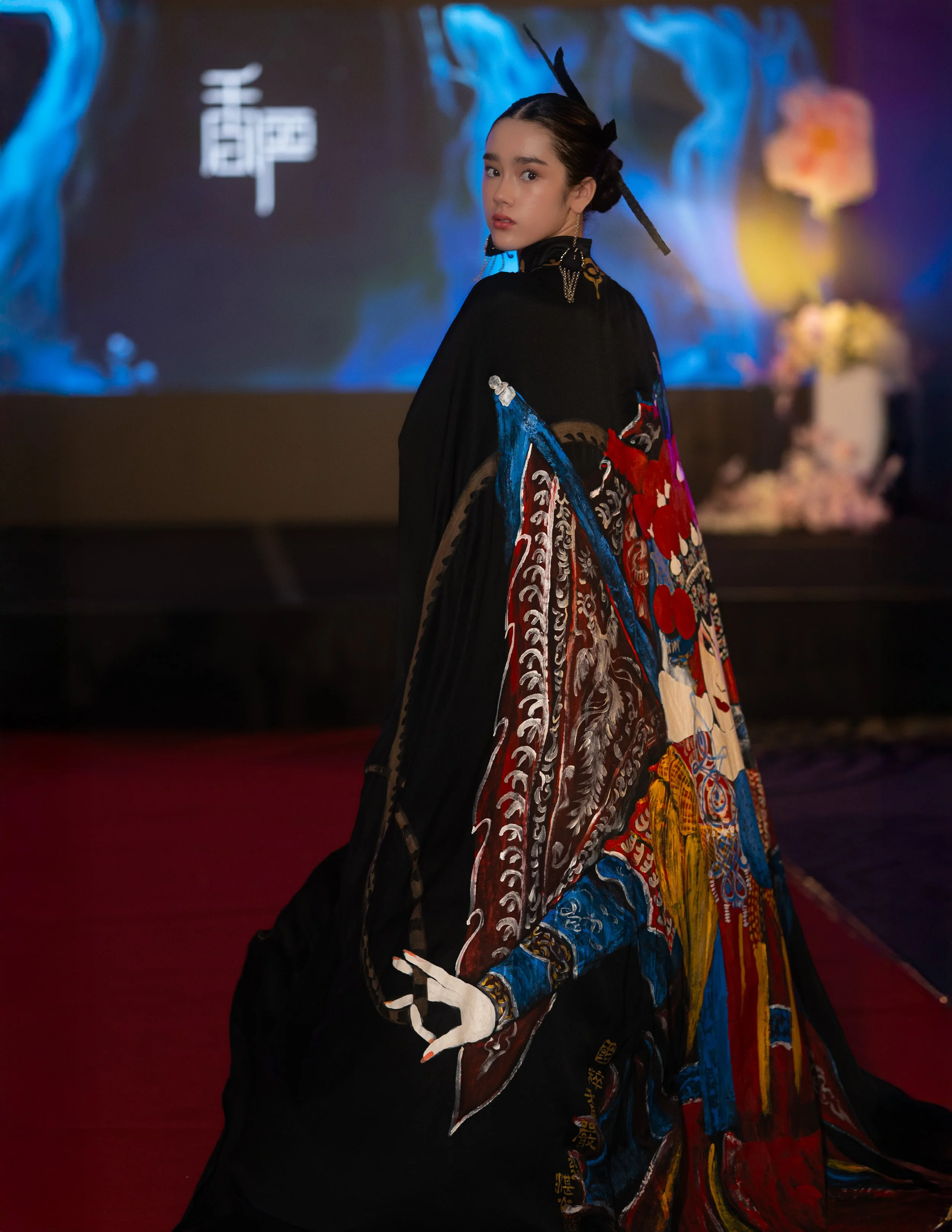
Early on, my creative process was largely instinctive, capturing whatever caught my eye. Over time, I’ve approached photography with the same precision I apply to architecture: planning compositions, considering light, motion, and narrative. Studying at UW allowed me to merge technical mastery with a more experimental, layered approach, blending stillness and motion, structure and chaos, to create images that tell richer stories.
As a child, what did you aspire to become, and how does it compare to where you are now?
As a child, I dreamed of designing spaces and buildings—architecture was always my first love. I didn’t imagine that years later, I would combine that architectural mindset with photography to capture not just structures, but the movement, energy, and life within them. While I still practice architecture, photography has become a complementary passion, allowing me to explore space and form in a more human and expressive way.
Which project in your career do you feel has had the most impact, and why?
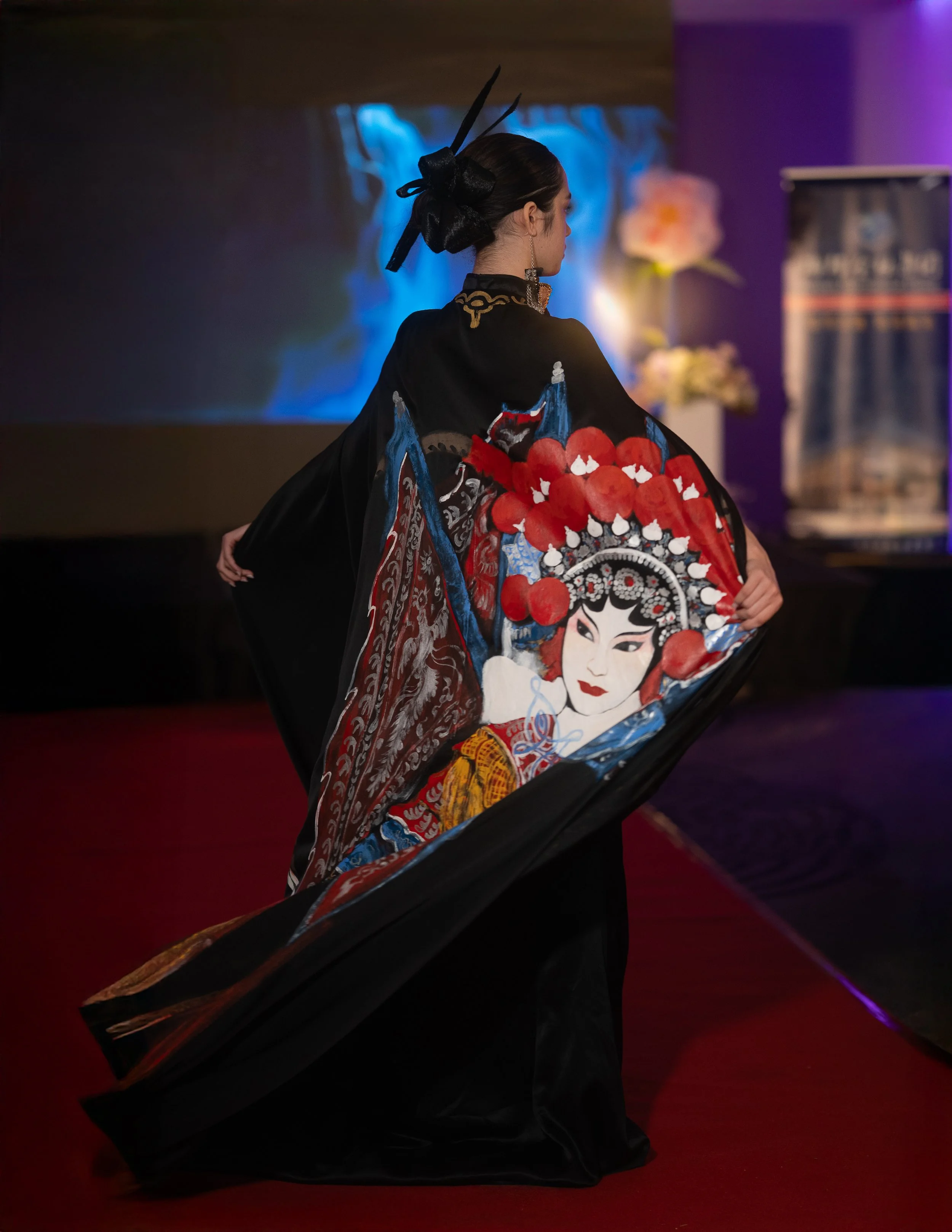
One of the most impactful projects was my early work capturing nightlife and fashion events in Seattle while studying photography formally. These shoots challenged me to see beyond static structures and focus on human energy, motion, and narrative. They shaped my current aesthetic, where I juxtapose architecture and movement, and allowed me to establish a voice in both the fashion and urban photography scenes.
How does your cultural background influence your personal and professional life?
My cultural background instilled a deep appreciation for detail, storytelling, and resilience. In architecture, it taught me to honor both tradition and innovation, while in photography, it inspires me to capture narratives that resonate across diverse audiences. It also encourages me to approach projects with empathy, understanding the human element within every space or moment I photograph.
Can you describe a milestone in your career that was particularly meaningful to you?
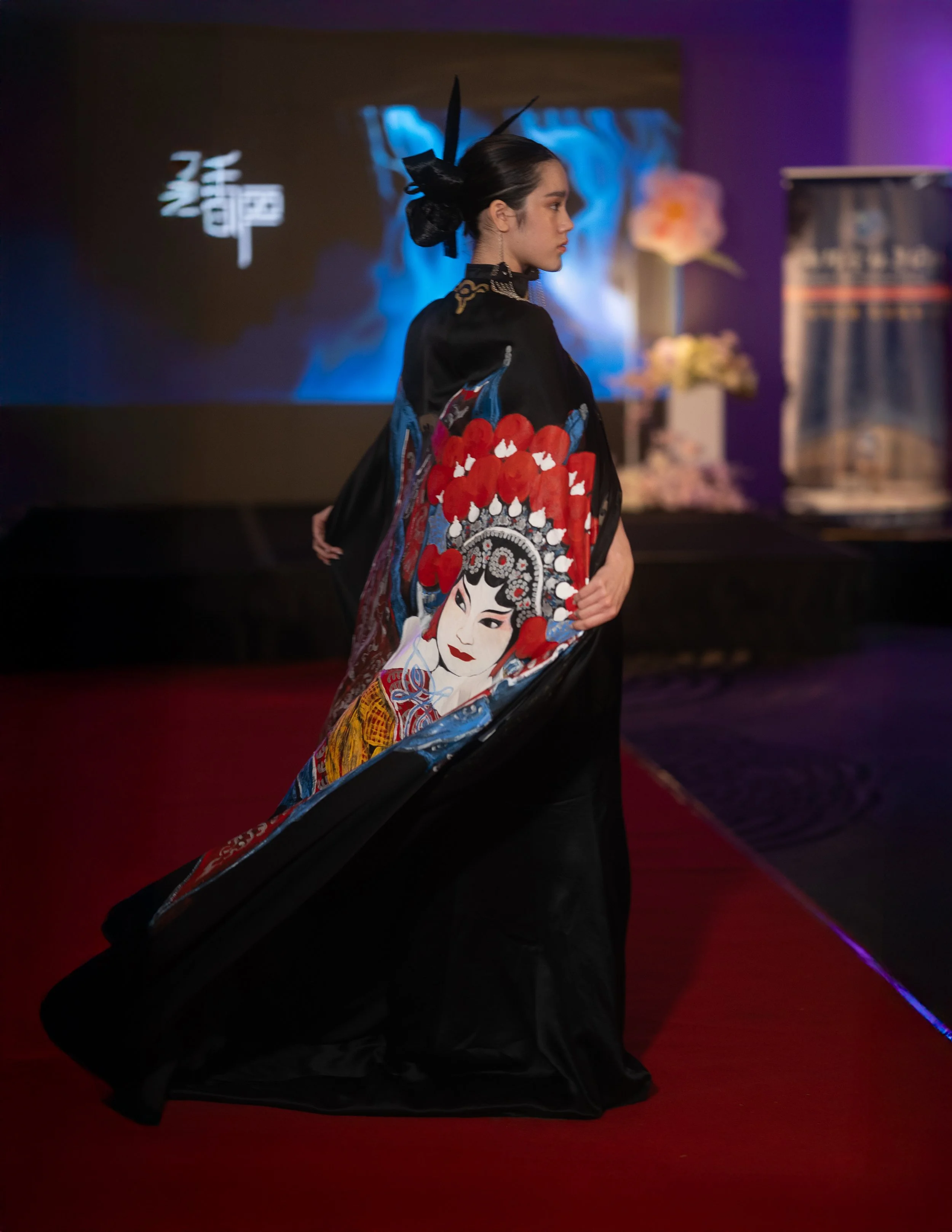
A meaningful milestone was studying photography at the University of Washington. My passion actually started back in architecture school, using my Yashica and Minolta film cameras for research assignments. Studying formally helped me refine my craft and connect my architectural eye with storytelling, which opened doors in Seattle’s fashion and urban scene.
Outside of work, what is a hobby or activity you enjoy that might surprise people?
Many people are surprised to learn that I enjoy long-exposure photography walks at night, sometimes in the rain. It’s not just photography—it’s a meditative practice where I can explore motion, abstraction, and patterns that aren’t immediately visible to the casual eye. It’s a blend of creativity, patience, and observation that keeps me grounded.
How have you adapted to changes in your industry over the years?
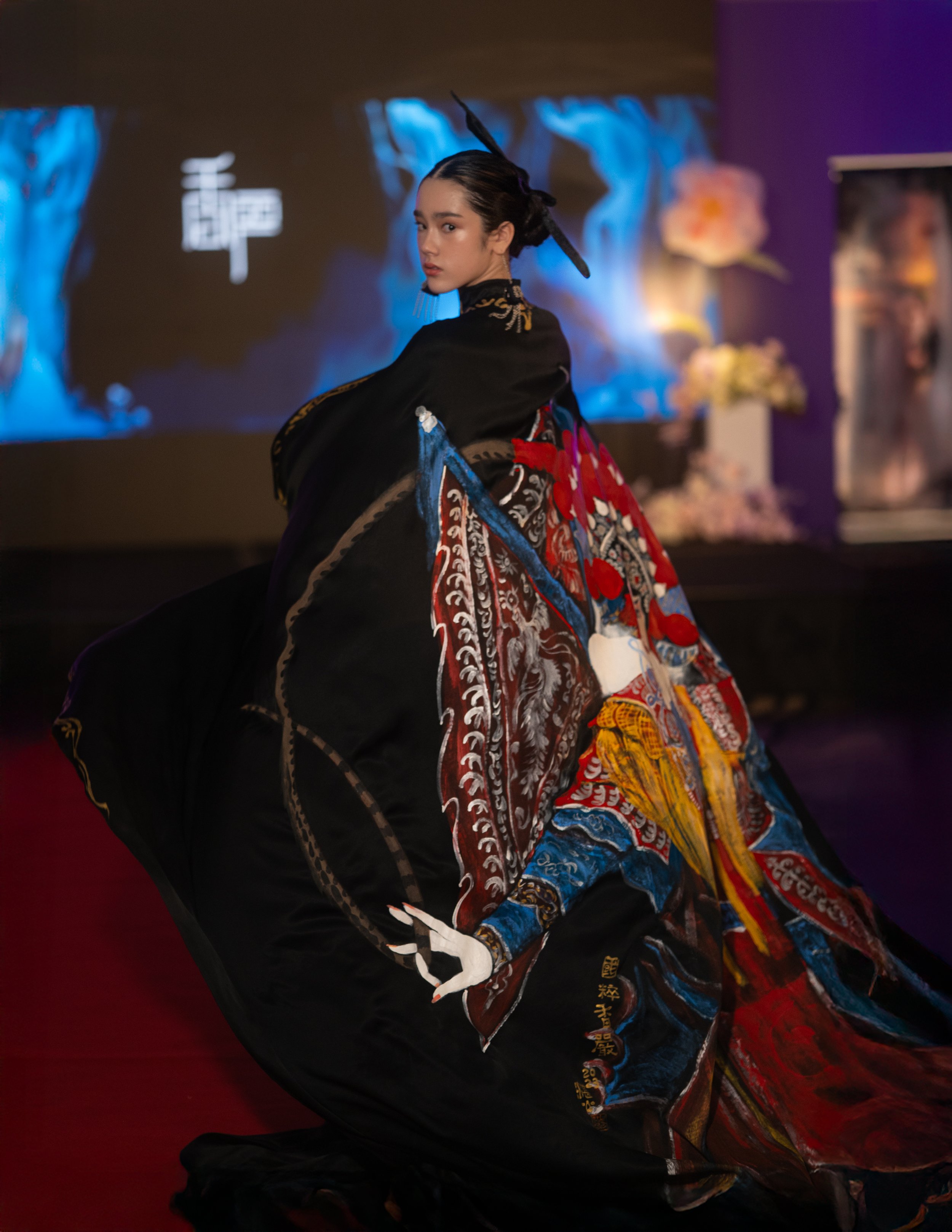
I’ve embraced technological advancements, from digital cameras to post-processing techniques, while maintaining the core principles of composition and storytelling. In both architecture and photography, the ability to adapt to new tools and trends without losing one’s creative identity is critical. I’ve also learned to merge disciplines—architecture and photography—to create a distinctive voice that resonates in a competitive, evolving industry.
Is there a book or movie that has significantly influenced your personal or professional perspective?
Yes—Finding Vivian Maier had a big impact on me. It’s incredible how her work remained hidden for so long, yet it captures such raw, intimate moments of everyday life. It reminded me that photography isn’t just about technical skill—it’s about curiosity, observation, and being present. It reinforced my belief in following your passion, even quietly, and trusting that the work itself will find its way.
What piece of advice would you give to someone starting out in your field?
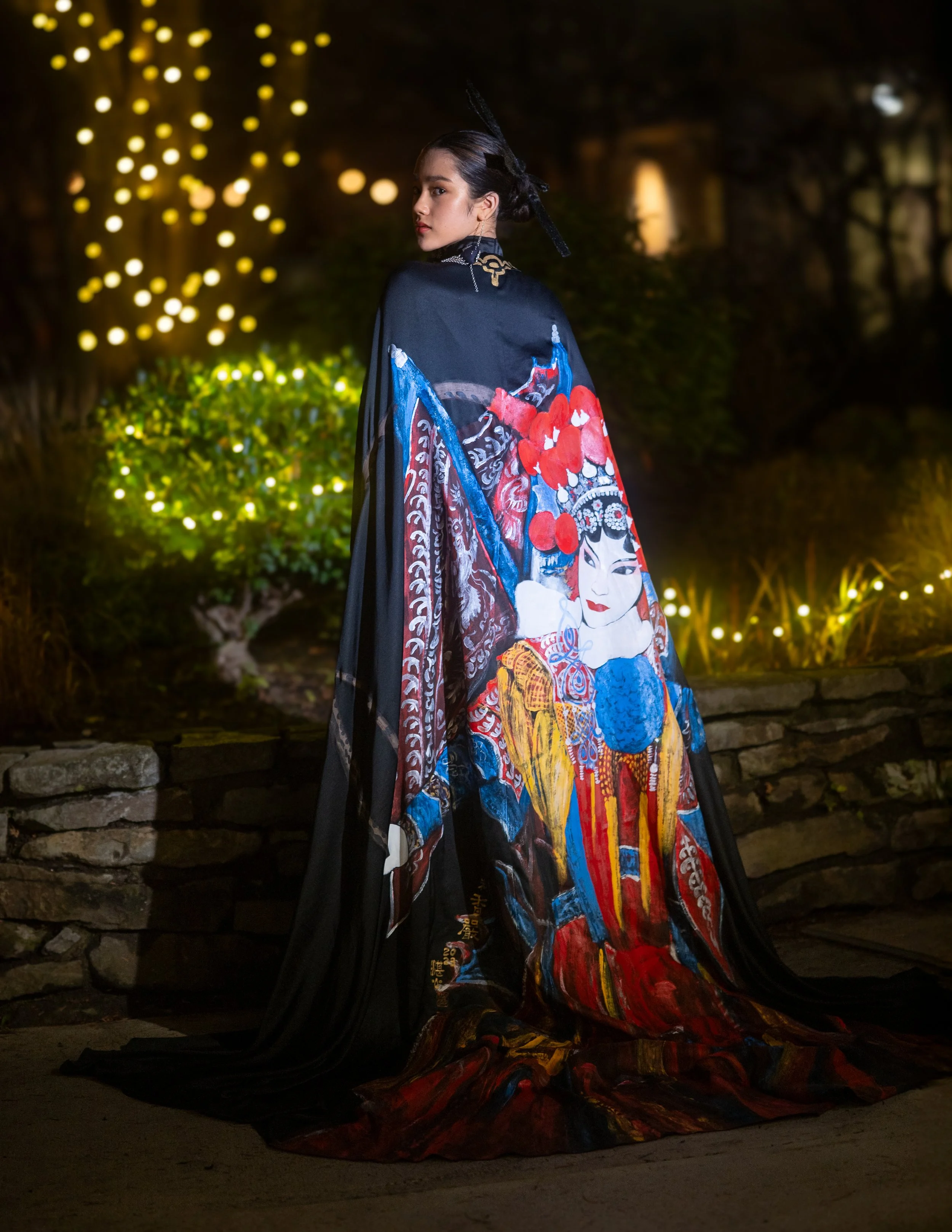
Stay curious and don’t be afraid to experiment. You don’t need perfect conditions—some of the best shots happen spontaneously. Learn the technical stuff, but also trust your instincts. Watching, waiting, and observing can be just as important as the camera in your hands.
Do you have a personal philosophy or mantra that guides your life and work decisions?
For me, it’s simple: observe, connect, capture. I focus on really seeing the environment, feeling its energy, and creating images that resonate. It keeps me grounded and open to moments and opportunities I might otherwise miss.
If resources were not a constraint, what would be your dream project?
I’d create a multi-city conceptual series using long exposures and layered techniques to capture human movement within urban architecture. The project would blur reality and abstraction, revealing how people animate and transform the spaces around them.
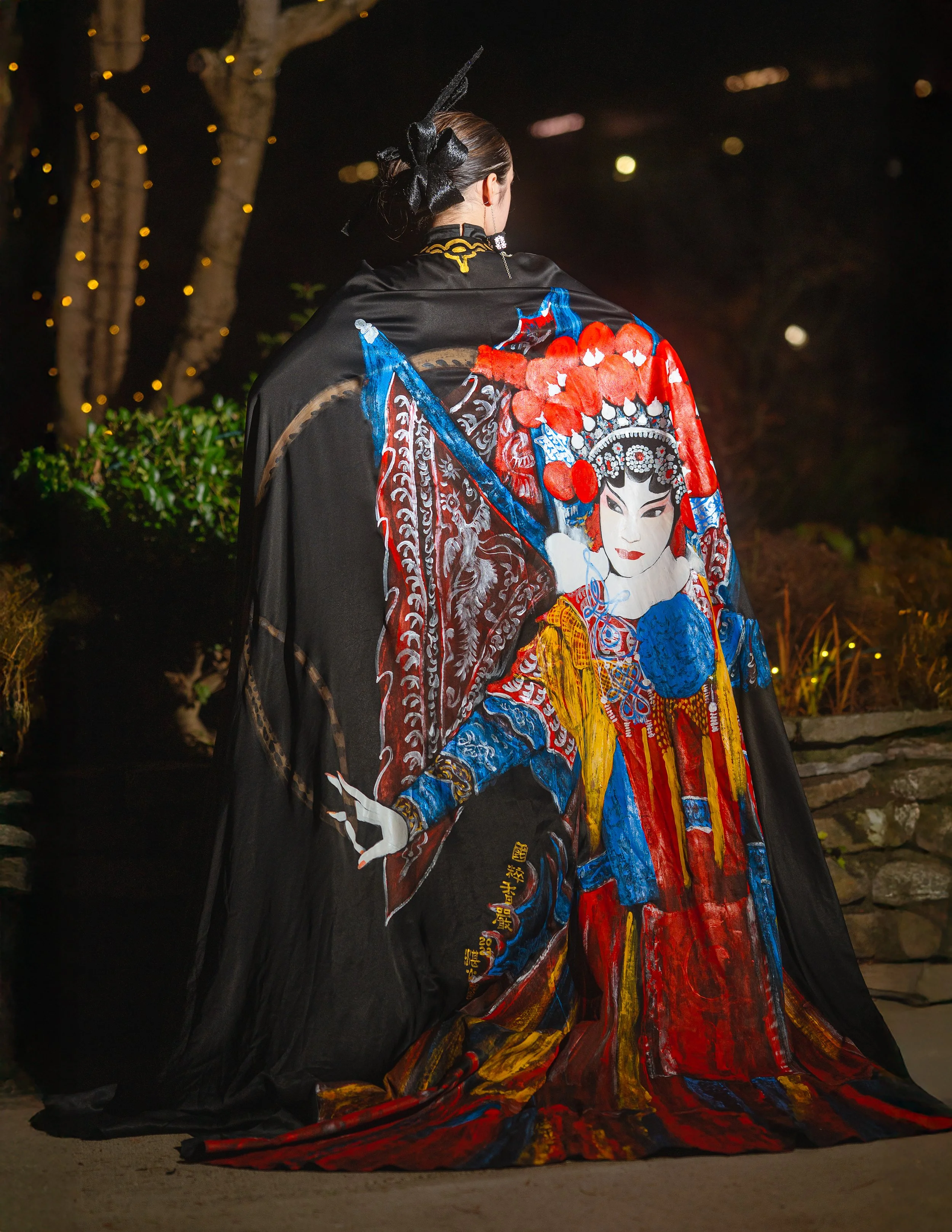
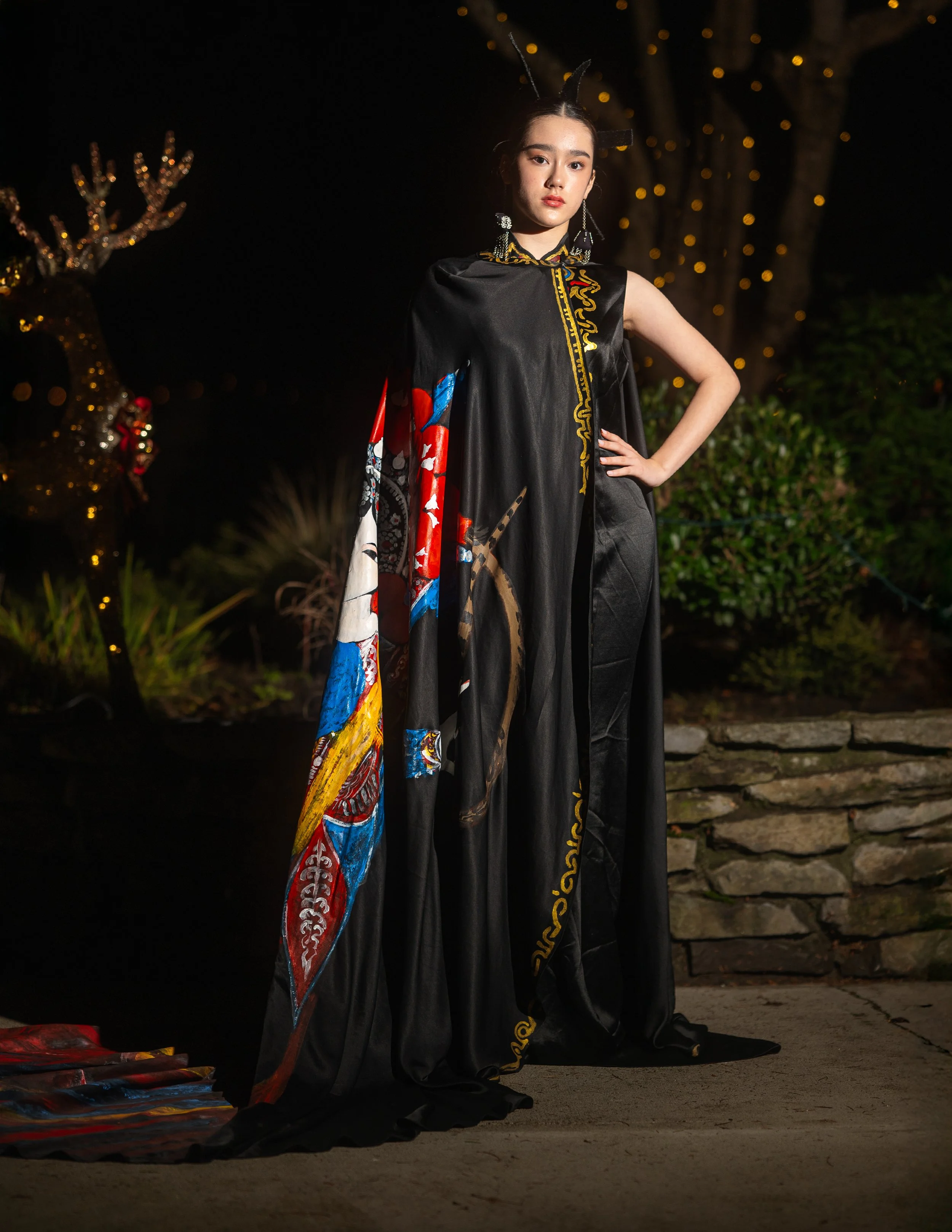
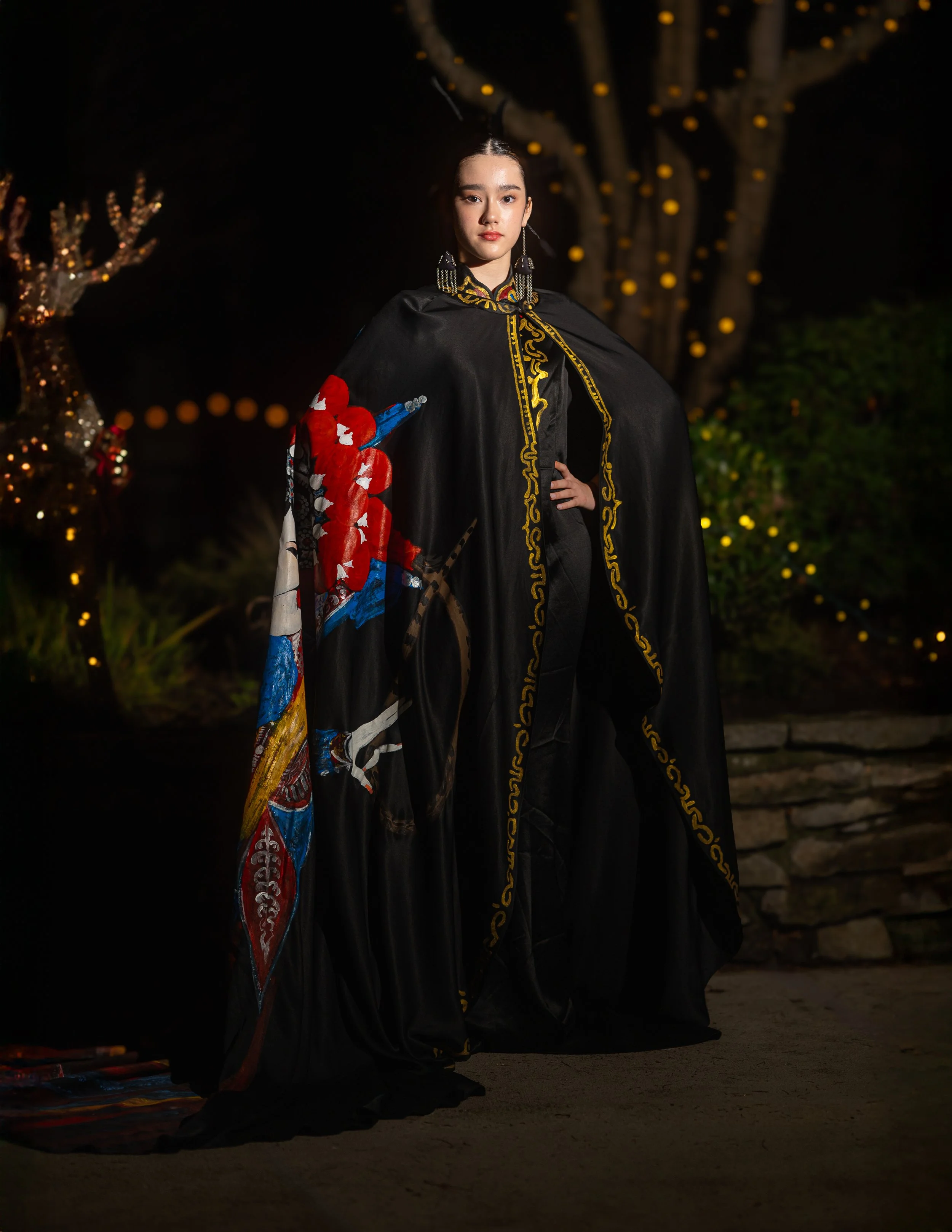
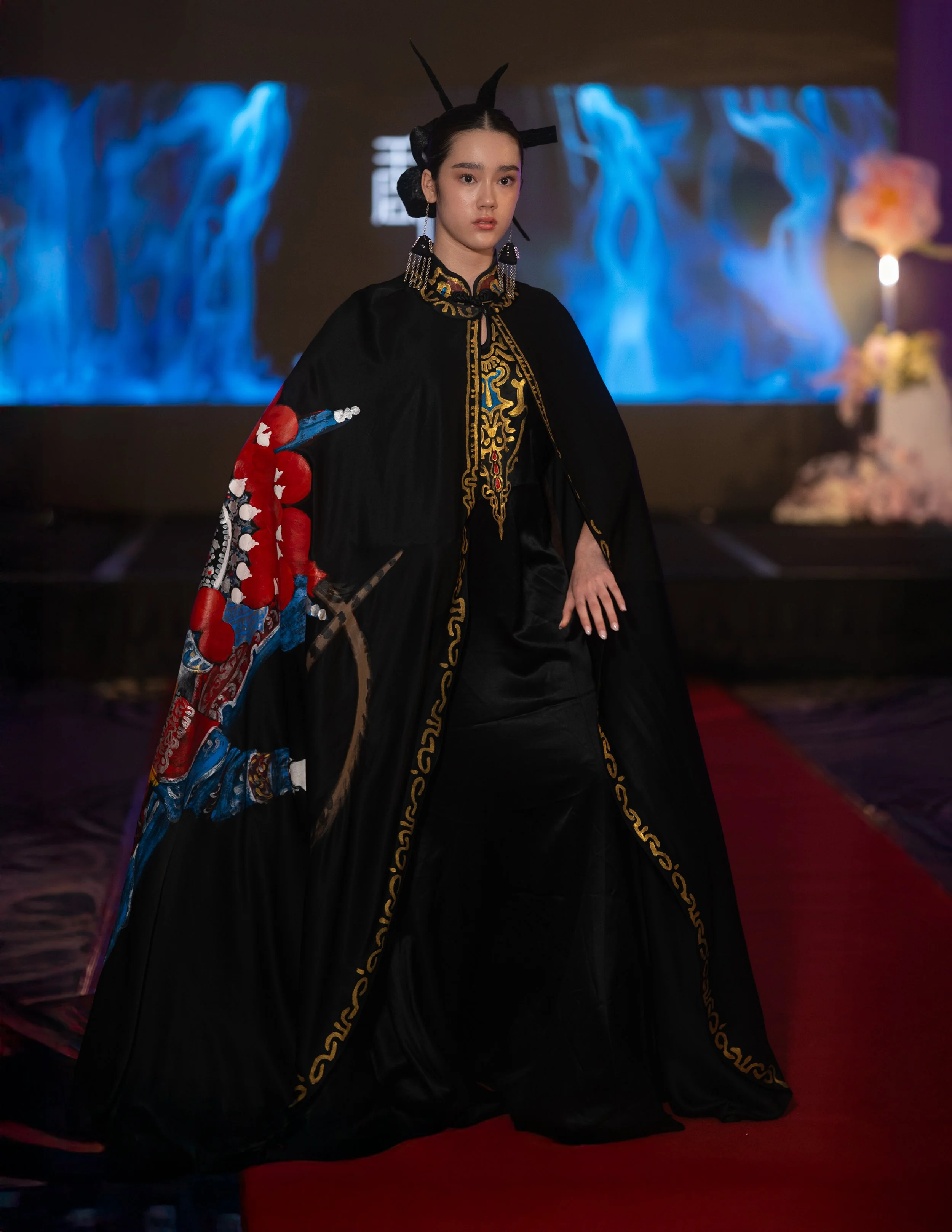
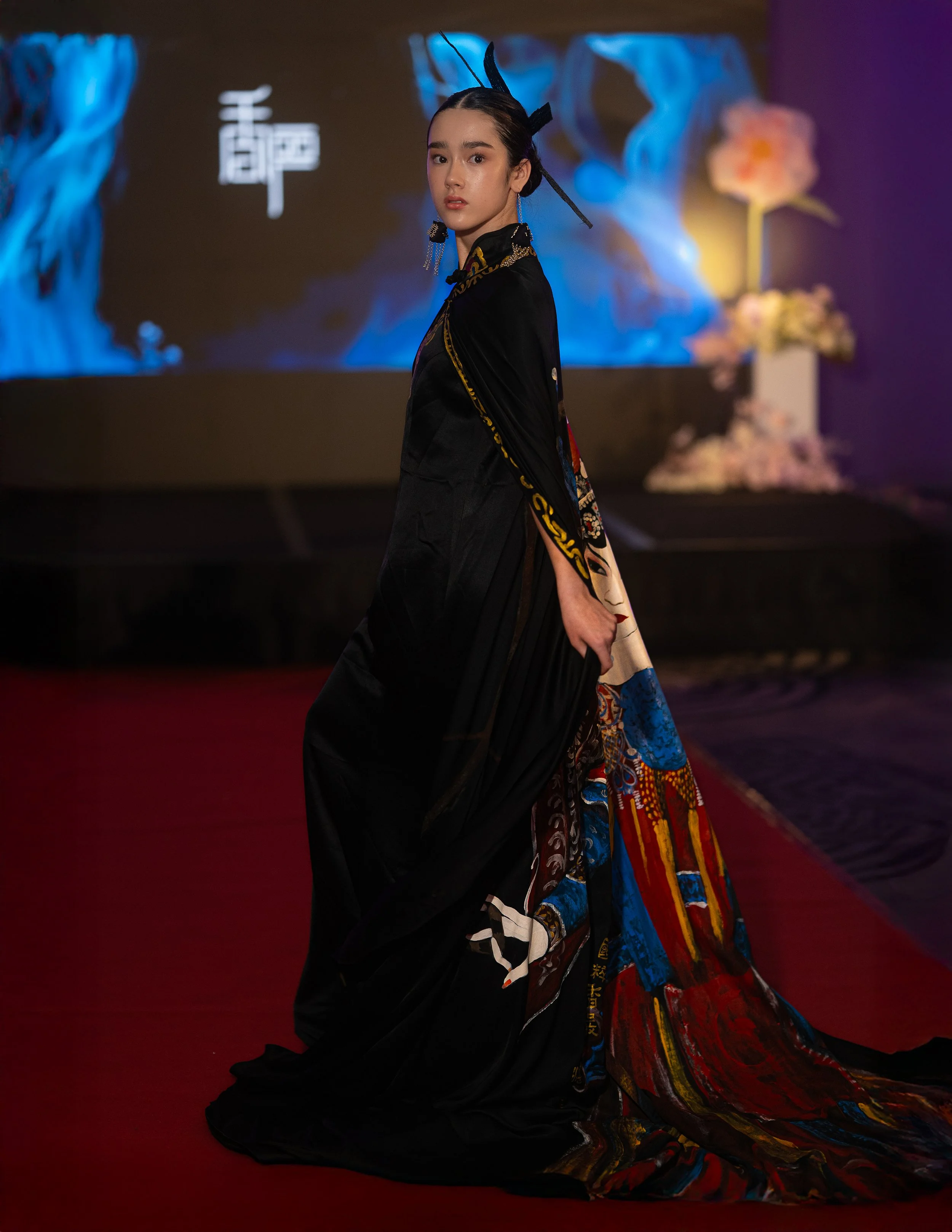
Photographer: Lemma Brehan
IG: lemma_brehan
Fashion Designer/Brand: Xiangyan Haufu By Jiang Jie
IG: jie61160
Female Model: Kasandra Riley
To see more please visit our section Art.