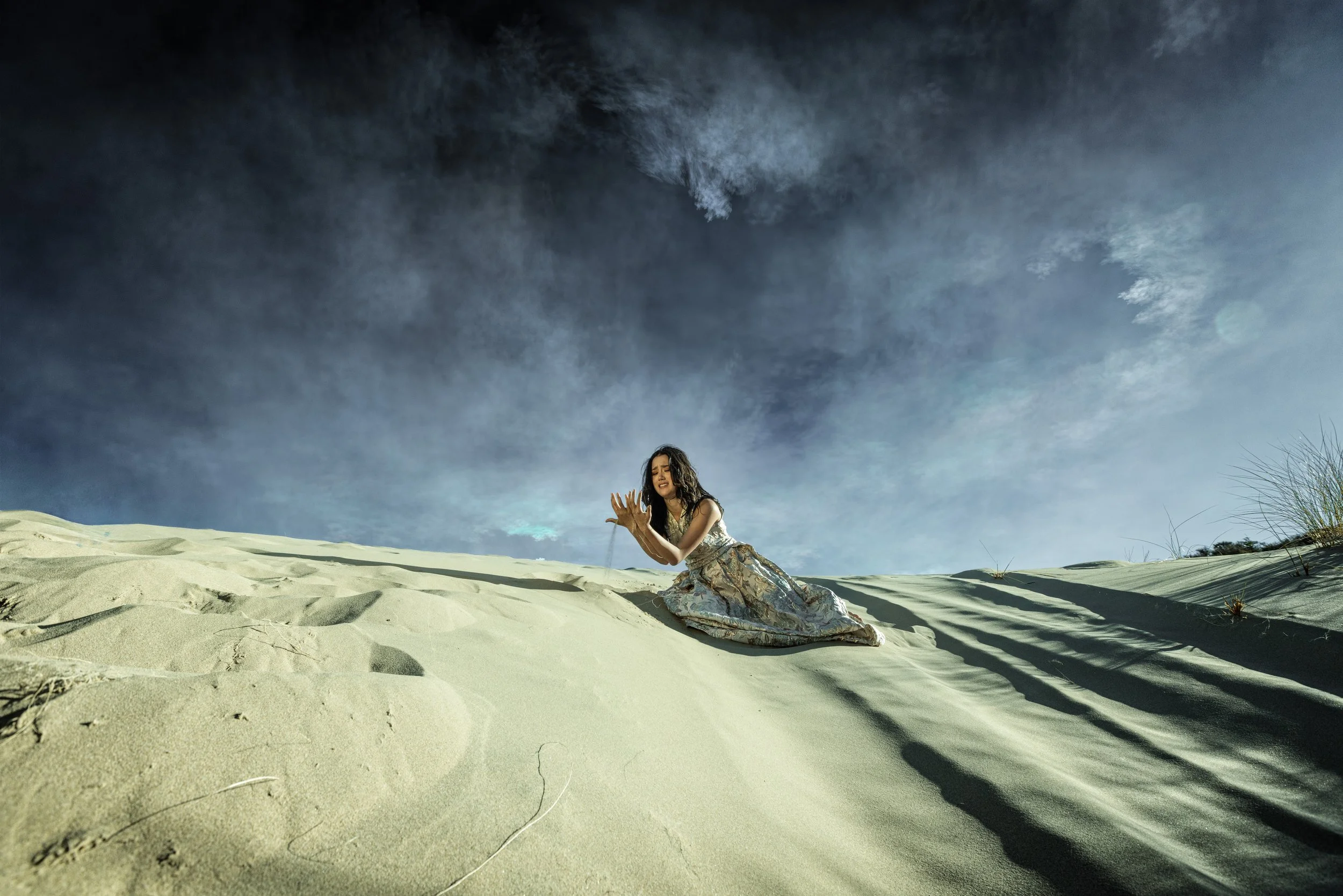
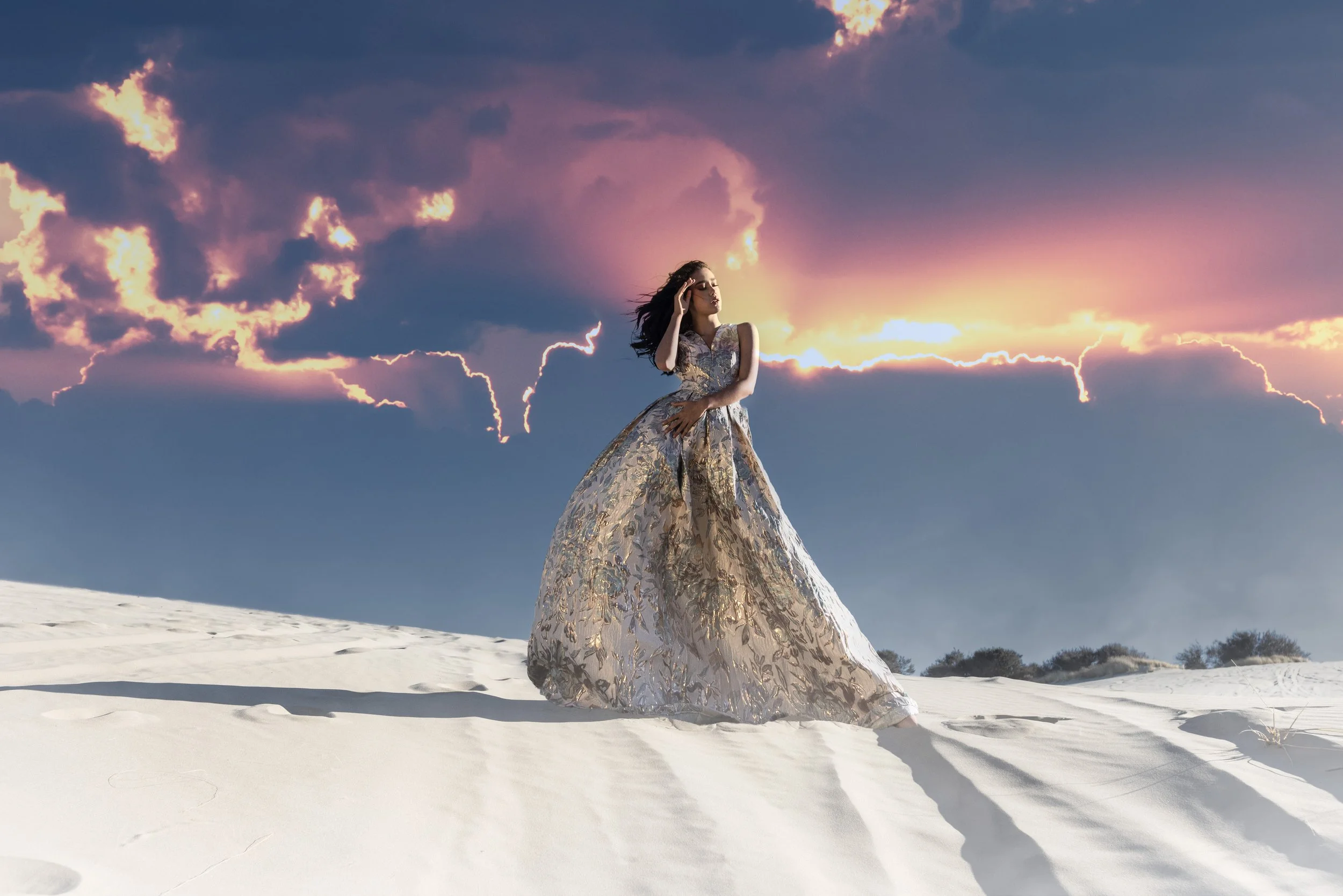
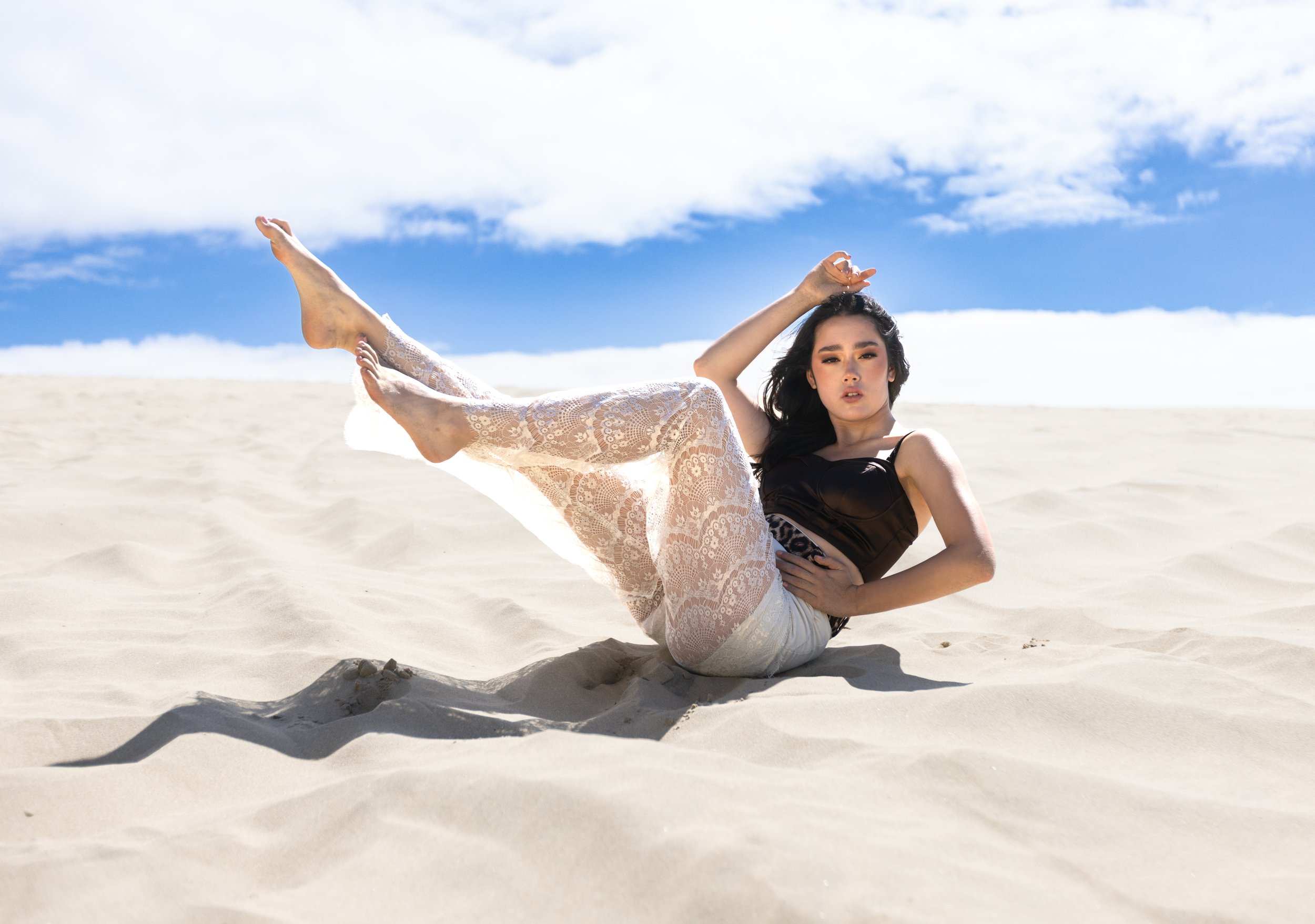
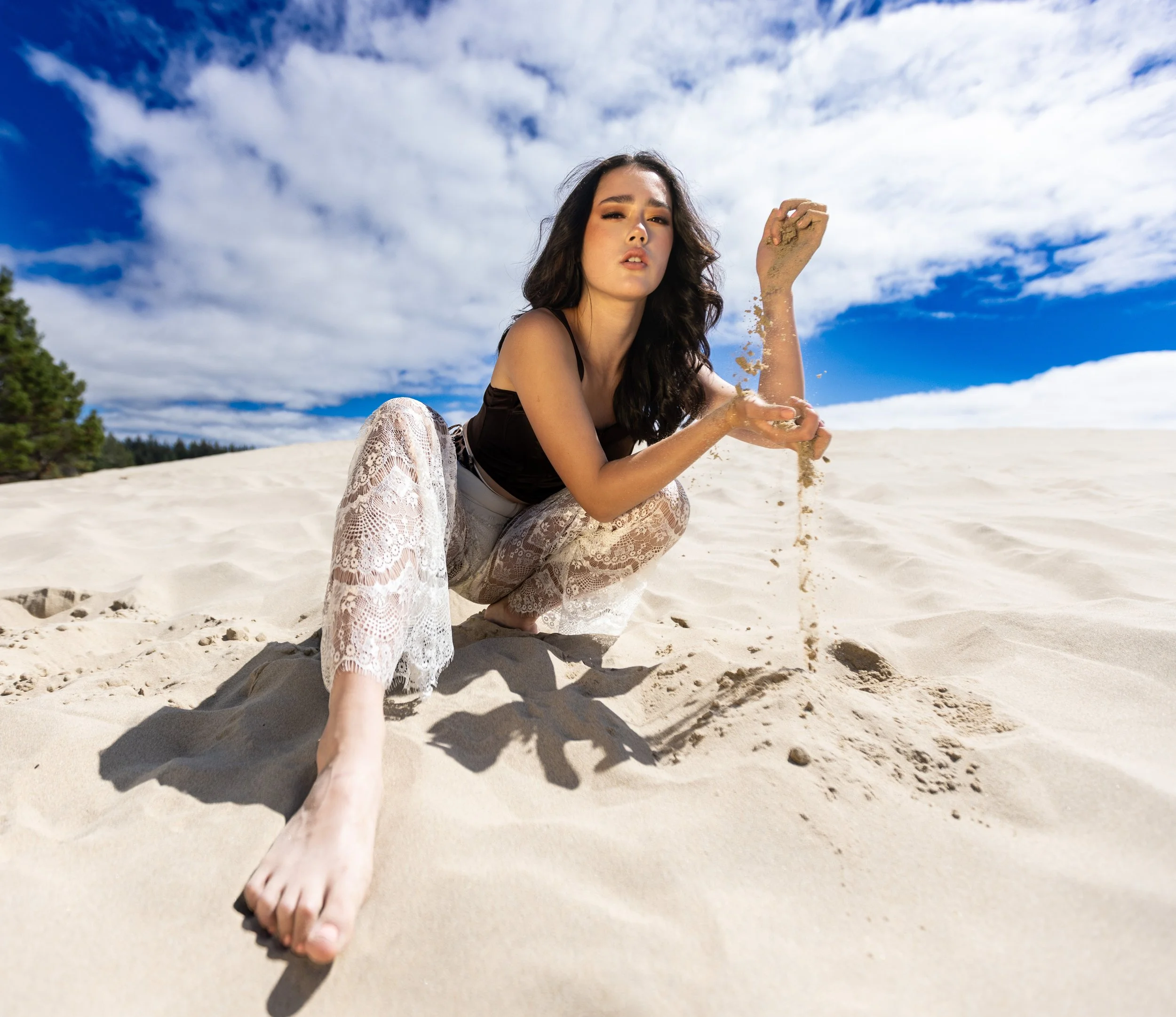
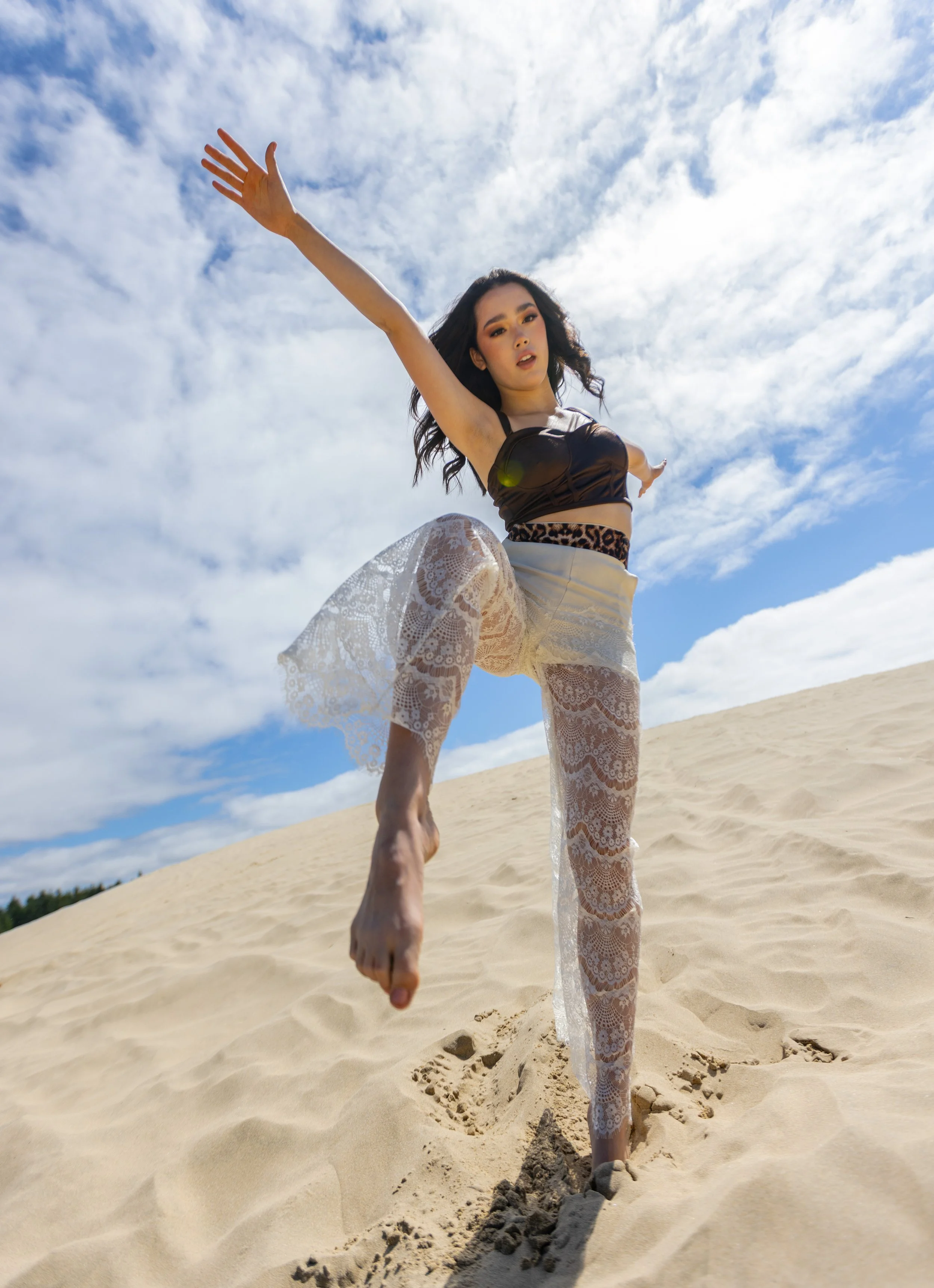
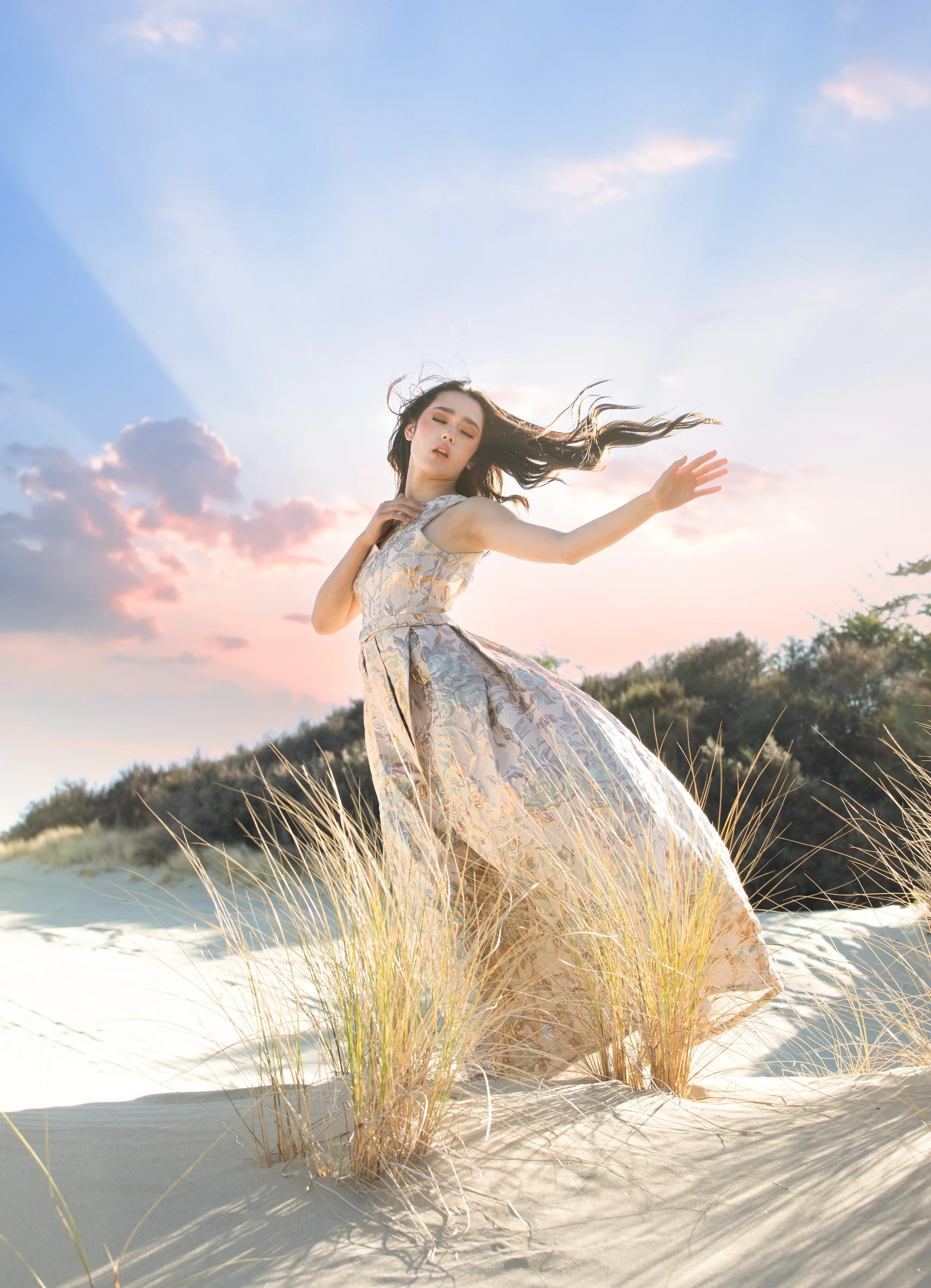
KASANDRA RILEY: DESERT ROSE IN A DUNE
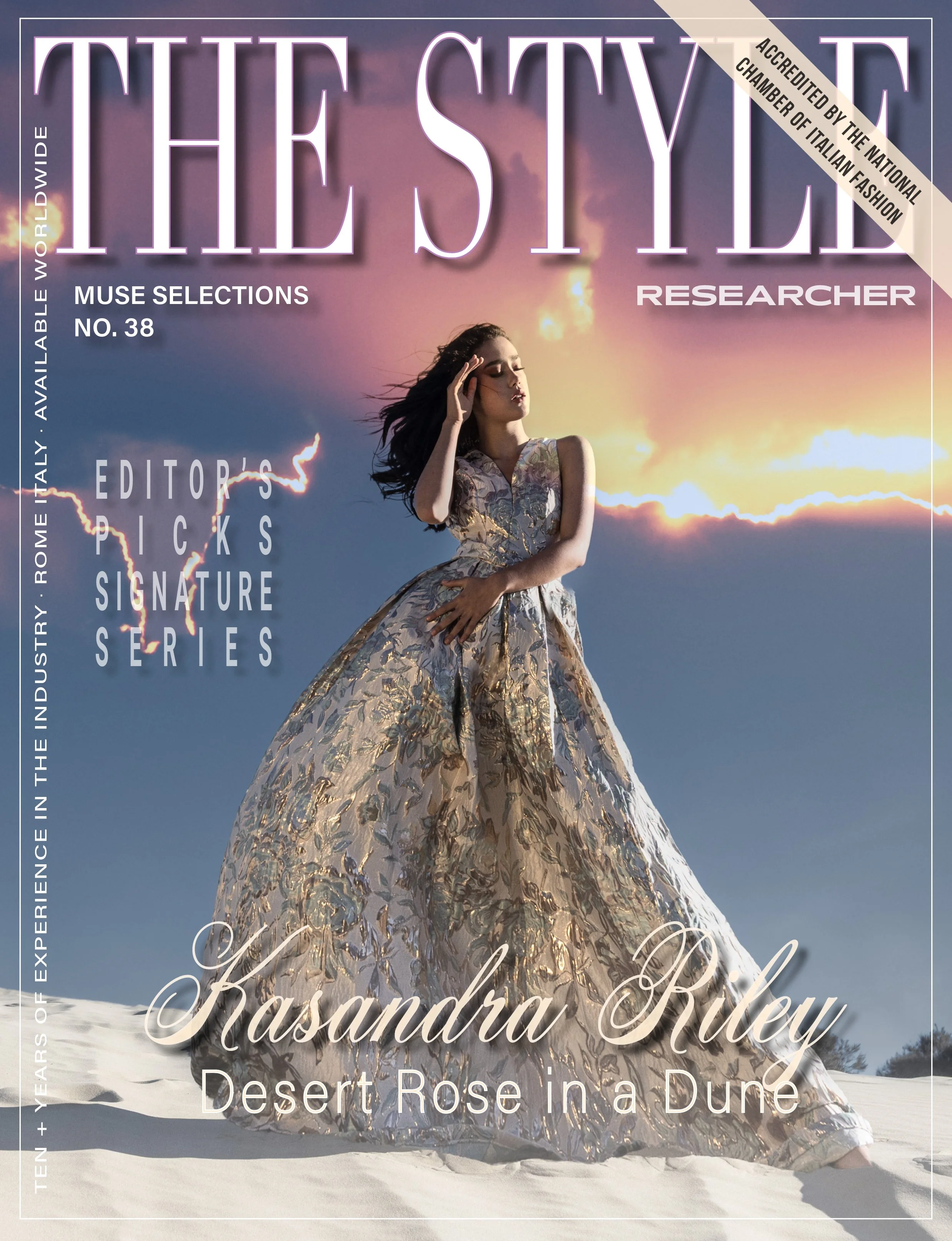
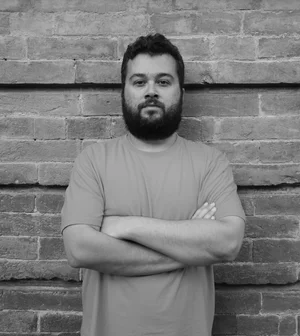
In this compelling conversation for The Style Researcher Magazine, acclaimed photographer Tom Lupton discusses his creative philosophy and collaborative process as part of the editorial feature Kasandra Riley: Desert Rose in a Dune. Lupton shares how he treats haute couture garments as central characters rather than mere subjects, moving beyond rigid genres to capture raw individuality on set. Read on to explore his unique perspective on balancing artistic vision, commercial demands, and the responsibility of shaping contemporary visual culture.
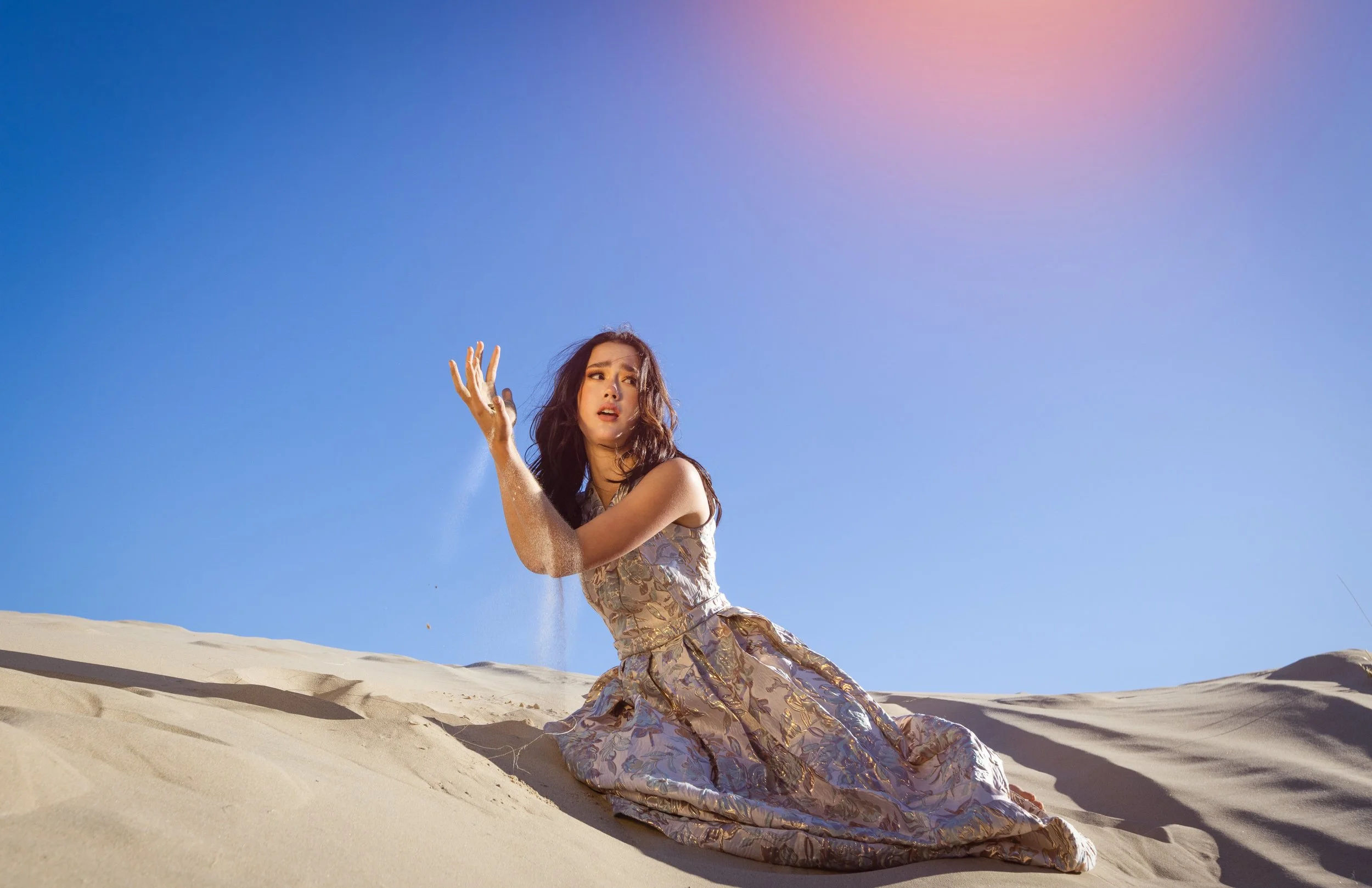
The Style Researcher explores the intersection of aesthetics and culture. How do you personally define "style" through your lens?
This was a good question, and it made me think. I don't actually concern myself with style, because style is often described in a genre, and to me the genre isn't really important, because it places the image in a group of similar things, rather than depict what makes it unique. Describing things as having a certain "style" suggests the viewer should have preconceived notions about what it is instead of observing and deciding for oneself what it actually is. The musical artists that stand out the most break out of defined styles, and I think photographic art needs to do the same in order to endure.
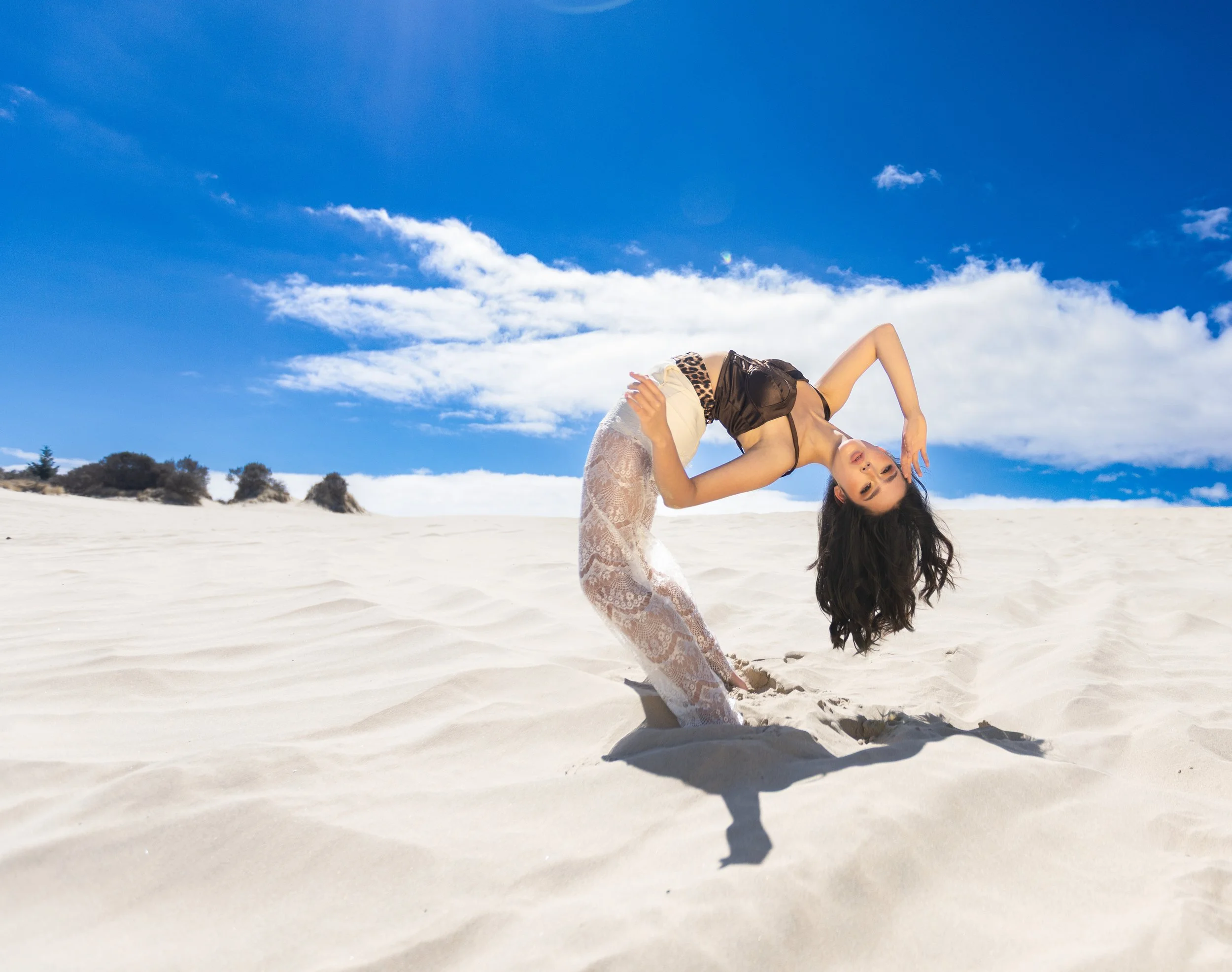
Walk us through your conceptual process. How much of your final image is meticulously storyboarded versus left to spontaneous discovery on set?
Because I mainly shoot haute couture where each garment is literally one of a kind, it is very important that each look has its own identity. When I envision a photo series,
the garment defines the foundation of the image, and thus it's style. This process usually comes in these steps:
a) Understand the designer's inspiration for the garment.
b) Craft a story or scenario around that inspiration. The garment is essentially the main character in the story now, and then we find a suitable model to bring that character to life; and a makeup artist to meld the model with the garment and the scenario.
c) The team shares ideas and contributes their own creativity and style to the concept. We'll pass around images, stories, and music that have the same vibe as what's in our heads -- and eventually, everyone's contributions become pretty identical. At this point, we know we're ready to shoot it. We can get to the set and create without discussing it, because we are all in synch with each other and trust we have the same goals.
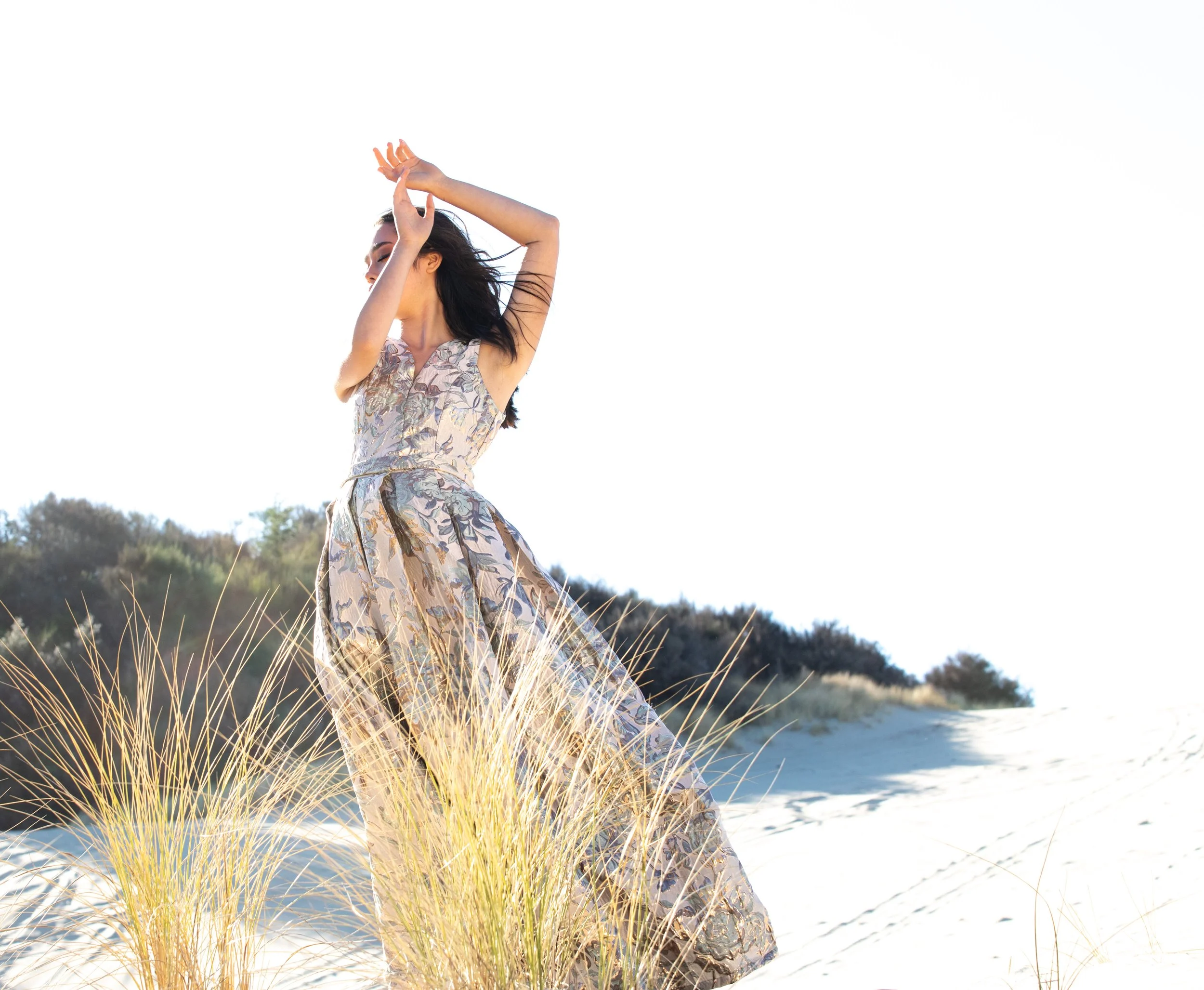
What is the dynamic like between you and your subjects? How do you cultivate an environment where they feel authentic enough to drop their guard?
Because of my process, the "subject" (usually a fashion model) has had so much contributions to the ideation that they feel a sense of ownership and has learned the people involved trust them as a contributor. Everyone knows that we are allowed, forgiven, and encouraged to try things that aren't "safe". I try to avoid "safe" as much as possible, because it works counter to the individuality of the garment that is conceptually the centerpiece of the image. I have so much respect for creatives that will purposefully break away from the comfortable, safe solution because intentional uniqueness is the only thing that can keep an image from disappearing into the ocean of sameness.
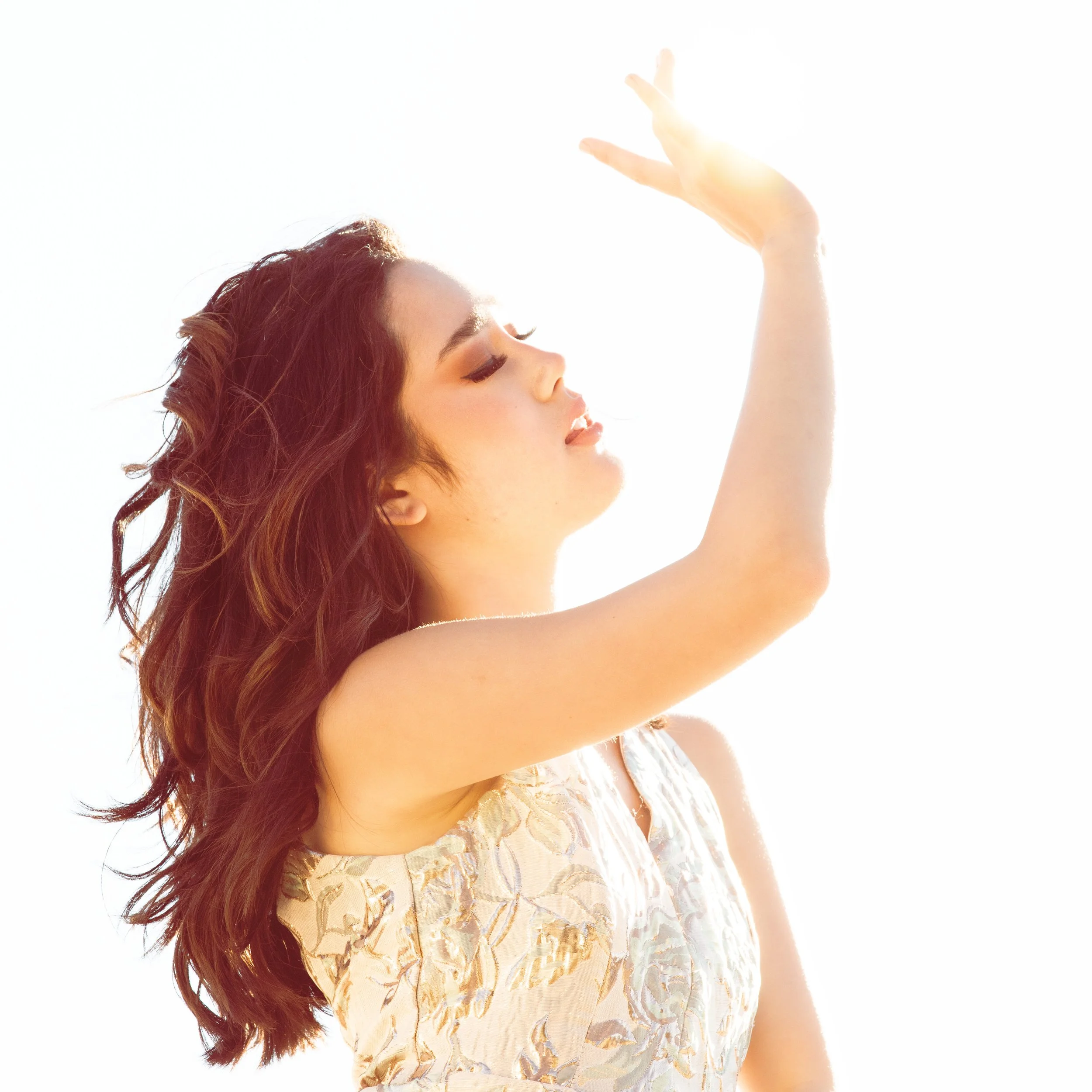
When shooting fashion or cultural editorials, how do you balance the commercial necessity of highlighting garments with your own distinct artistic vision?
My first goal is to get a good overall image that is interesting and has emotional impact. If the image isn't interesting, a viewer won't give it a second's look. If there's no emotional impact, they won't linger on it. But... if they emotionally connect to the image, they will stay at it long enough to appreciate the garment. If they linger enough to discover the story and connect it to the garment, I've done my job. Why not have a clear garment shot as the primary goal? That's what iPhones are for.
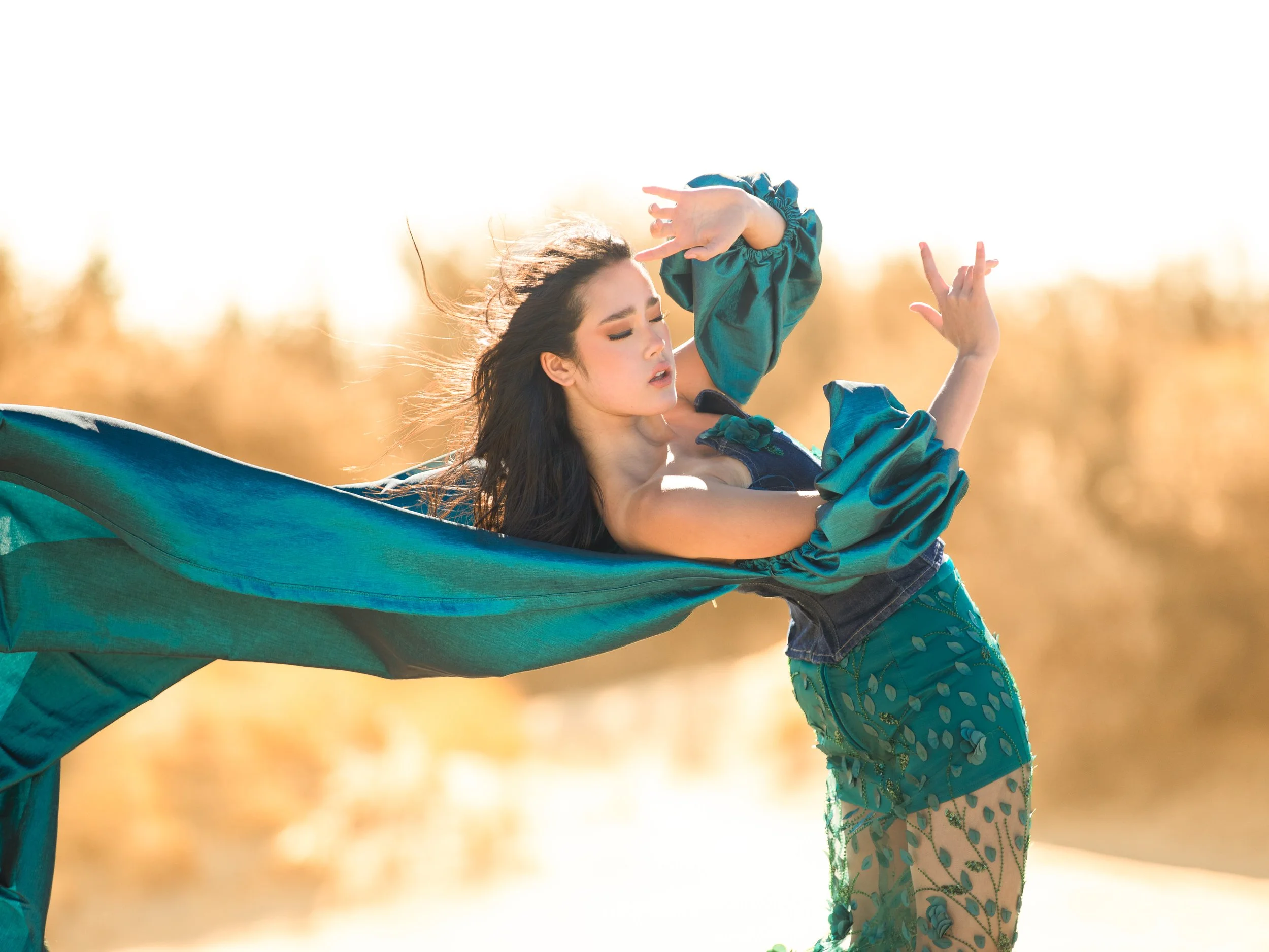
This doesn't mean I disregard the garment, of course! I spend a great deal of time studying it, understanding it, and conceptualizing how to creatively and technically shoot it. Often, my choice of lighting is made so it emphasises certain aspects of a garment.
That's a complicated combination of statements, isn't it?! In short, I take pains to highlight the unique things about the garment, but if the garment doesn't fit into the overall scene of the image, I don't consider the image for final edit.
What do you believe is the responsibility of a photographer today in shaping contemporary culture and capturing the visual zeitgeist?
Our current culture is struggling with itself. It's multi-faceted, and struggling to be more diverse and more homogenous at the same time. It can be difficult to choose your direction, but you do have to choose one. Without making a statement, fashion is just clothing. Without making a statement, a photograph is just pixels.
If you could pass down one piece of unwritten advice to emerging photographers trying to find their voice, what would it be?
You have already found your voice, you just haven't exercised it enough to sound like you intend how you want it to sound. Keep trying to create that thing that inspires yourself whenever you look at it. Don't listen to what other people say about it; only you will know when you are creating what you should be creating.
Photographer: Tom Lupton
IG: tomluptonphotos
Female Model: Kasandra Riley @TMM Models & Talent
FB: https://www.facebook.com/Kasandrariley2012?mibextid=ZbWKwL
Fashion Designer: Takke One Second
Model: Lia arreola
IG: lia_arreola
Makeup Artist: Lia Arreola
Creative Director: Raven West
To see other inspiring articles visit our section Fashion.