TINA KILBERG
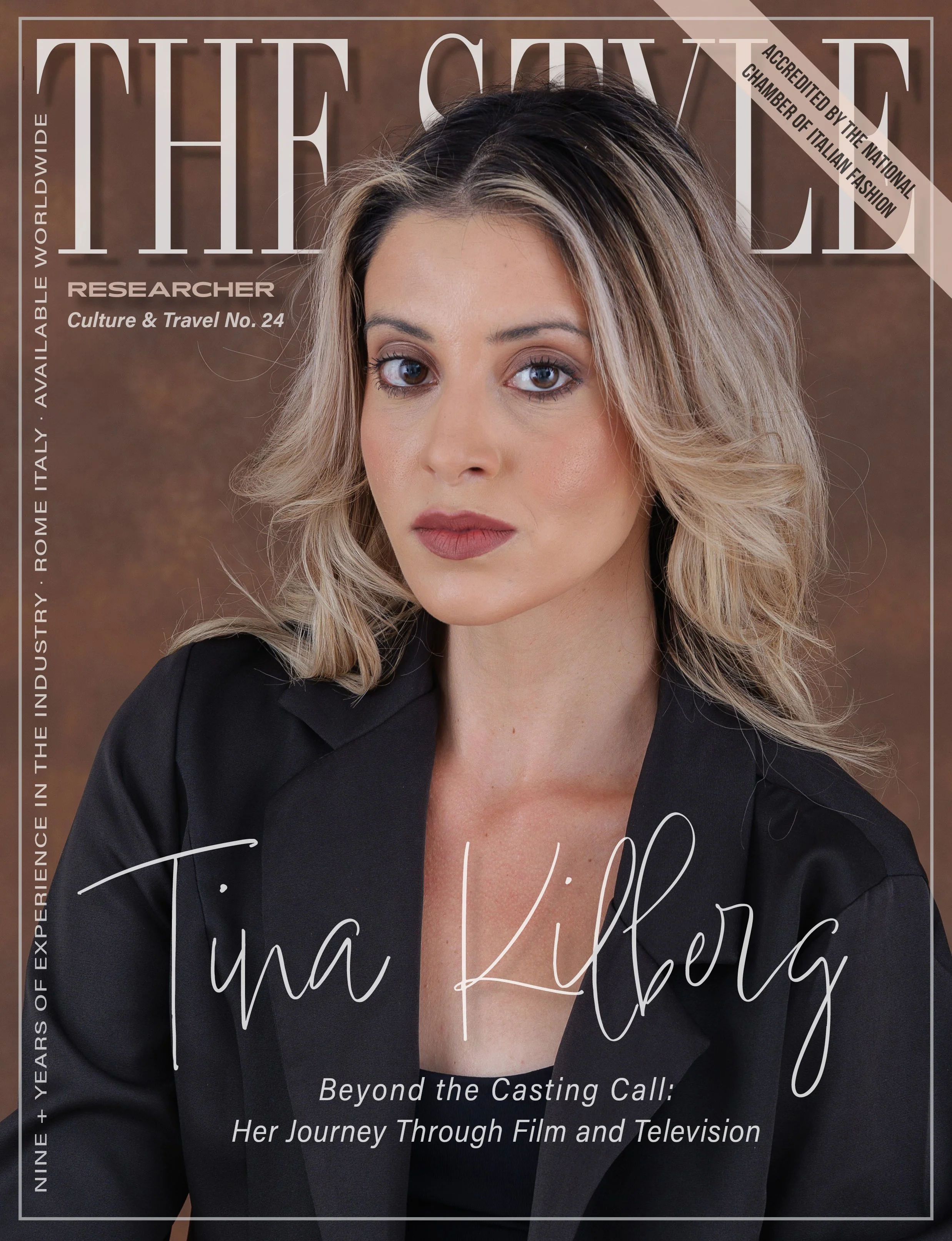
Tina Kilberg never planned on becoming an actress — at least, not in the traditional sense. What began as a curiosity about film-directing led to storytelling happening in front of the camera. For Kilberg, a great performance is found in what remains with the audience after they have left the cinema - and the feeling they carry home.
You’ve said you didn’t plan on becoming an actress. When did you realize curiosity could be a career?
I initially got into acting thinking I would do it for a few years, spend more time with filmmakers and pick up all the lessons and experiences needed to eventually become a film director. I learned so much about acting and discovered that this was the best way for me to engage in storytelling; the process felt more powerful than telling stories through words or drawings.
I also naturally possess clairsentience, I believe a lot of actors do, which is why I’m drawn to working with people on film sets. Not to mention the idea of making movies excites me! I don’t think that’s a form of excitement that will ever go away for me.
Do you feel your sensitivity to people is an asset or a challenge in acting?
When I first started working on film sets, I was more self-conscious on wanting to let people know that I was a good person. I’d go out of my way to make small talk with actors I had intense scenes with as a way to prove that I wasn’t ‘bad’ in real life. Now that I’m older, I recognise that I’m working with professionals, for the most part, who have been doing this much longer than I have. They’ll understand. I don’t mind being perceived as a good or bad person anymore. I only care about being a good person in the eyes of my parents.
Has this mindset shift changed the way you interpret or perceive villainous roles or morally corrupt characters?
Absolutely. It has taught me that it is very possible for a character to blur the line between compassion and cruelty. It reminded me to pay attention to the forces that change a character’s trajectory towards evil and how such changes take place gradually. The question isn’t really about whether a character is capable of falling down a darker path, but rather what would it take to make them take the first step. Once a character crosses a moral line, a slow erosion of moral boundaries begins to take place and the next action doesn’t feel so bad; if anything, it feels reasonable.
How do you slip into a complex role without over-rehearsing it?
I don’t like to over-rehearse; I see no point in doing so if I’m alone. You need to be on set and engaging with people, building chemistry. An actor only truly rehearses as realistically as possible during the execution phase of filmmaking. During the preparation phase I rely on studying my lines, send myself voicemails, listening to them on repeat. I might create some backstories if there’s a more layered character to work with. My first acting instructor told me to never rehearse in front of a mirror, so that is something I never do. I don’t even like to look at photographic captures during or after a photoshoot. I want the photographers to decide on the best images and trust their judgment. I taught myself early on to never be one of those people who are preoccupied with how they look or self-conscious on camera. When the camera is on me, I want to feel relaxed and have fun.
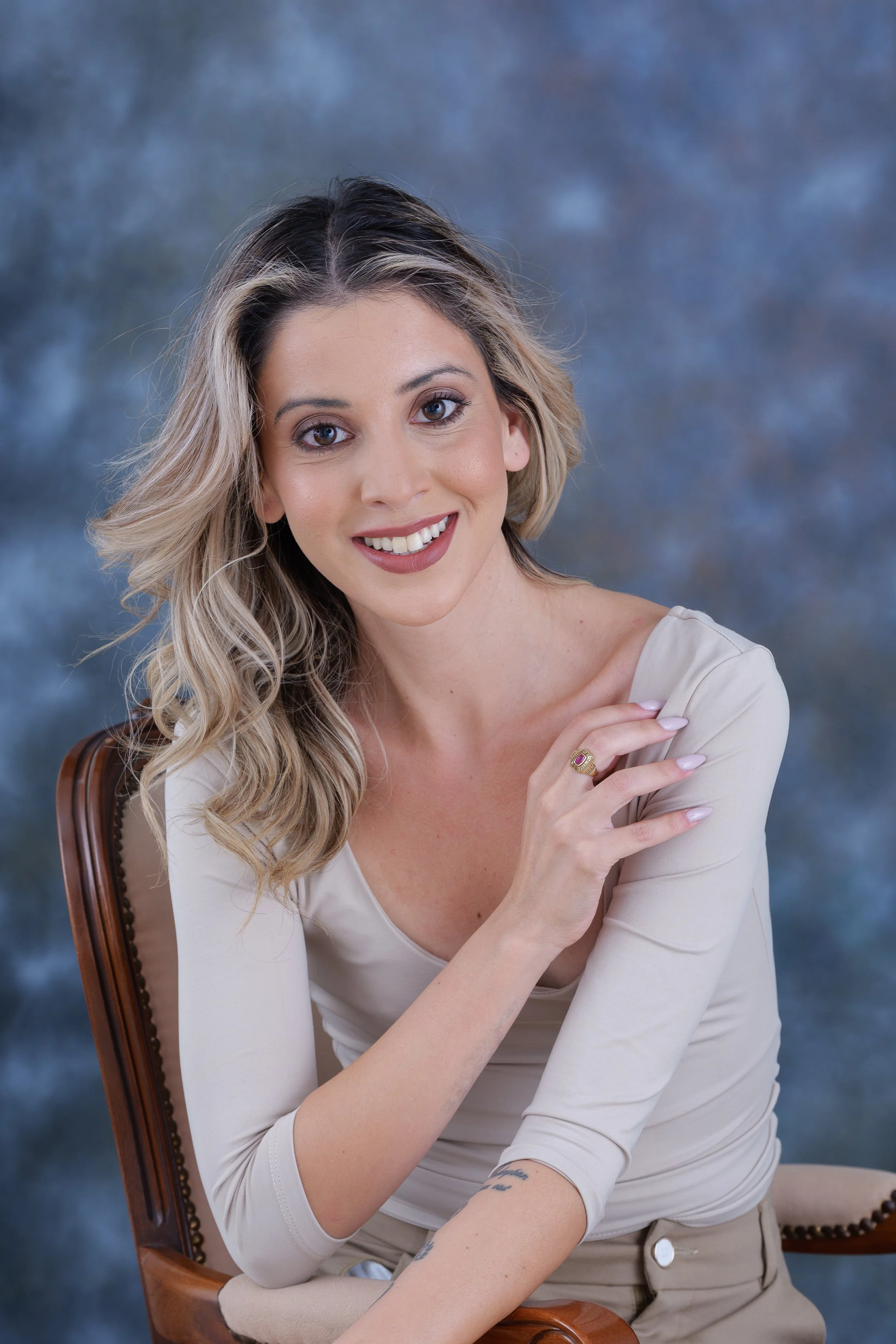
Can silence in a scene ever say more than a scripted line?
We express much more when we’re not delivering lines. If anything, that’s the real opportunity to act. Silence is an opportunity for vulnerability - and that’s an actor’s hidden power. I also largely believe in our ability to encourage viewers to share and experience the same silence. Roles that have the biggest impact are the ones audiences take home with them. Some audiences carry a character who left an impression on them; they’ll begin to contemplate them for hours, days, even weeks after watching their performance in a film.
You’ve described vulnerability as power. How do you protect that in the industry?
By removing any form of shame towards self-expression. People see us for a few seconds, minutes, or hours in an entire week. They are not with us 24/7, they do not see our routines. We share small moments with people, whether in person or online. When you shift your mindset that way, you begin to realise most people don’t really know who you are. So their opinions and judgments tend to be ill-informed and therefore don’t really matter.
Are there moments on set where you’ve felt completely unguarded?
I’ve had a few of those experiences when I was much younger. But you develop patience and learn to not take things personally as you get older. A lot of people have personal complexes and issues with their identity, so you have to take a step back and let them do what they need to do. I’ve just taken those moments as lessons on how I don’t want to be when I’m older.
What’s the difference between being seen and being truly understood as an actress?
Being seen relies on photographic or cinematic captures. Being understood occurs when people hear your voice and begin to listen. Actors hold so much power on screen, they don’t even realise it. We project people’s fantasies and audiences, in return, subconsciously pick up on characteristics and traits of characters. They’ll find someone ‘cool’ and will want to mimic them. For that reason, I consider the notion of being seen to be a responsibility; to shape and influence others, for the better.
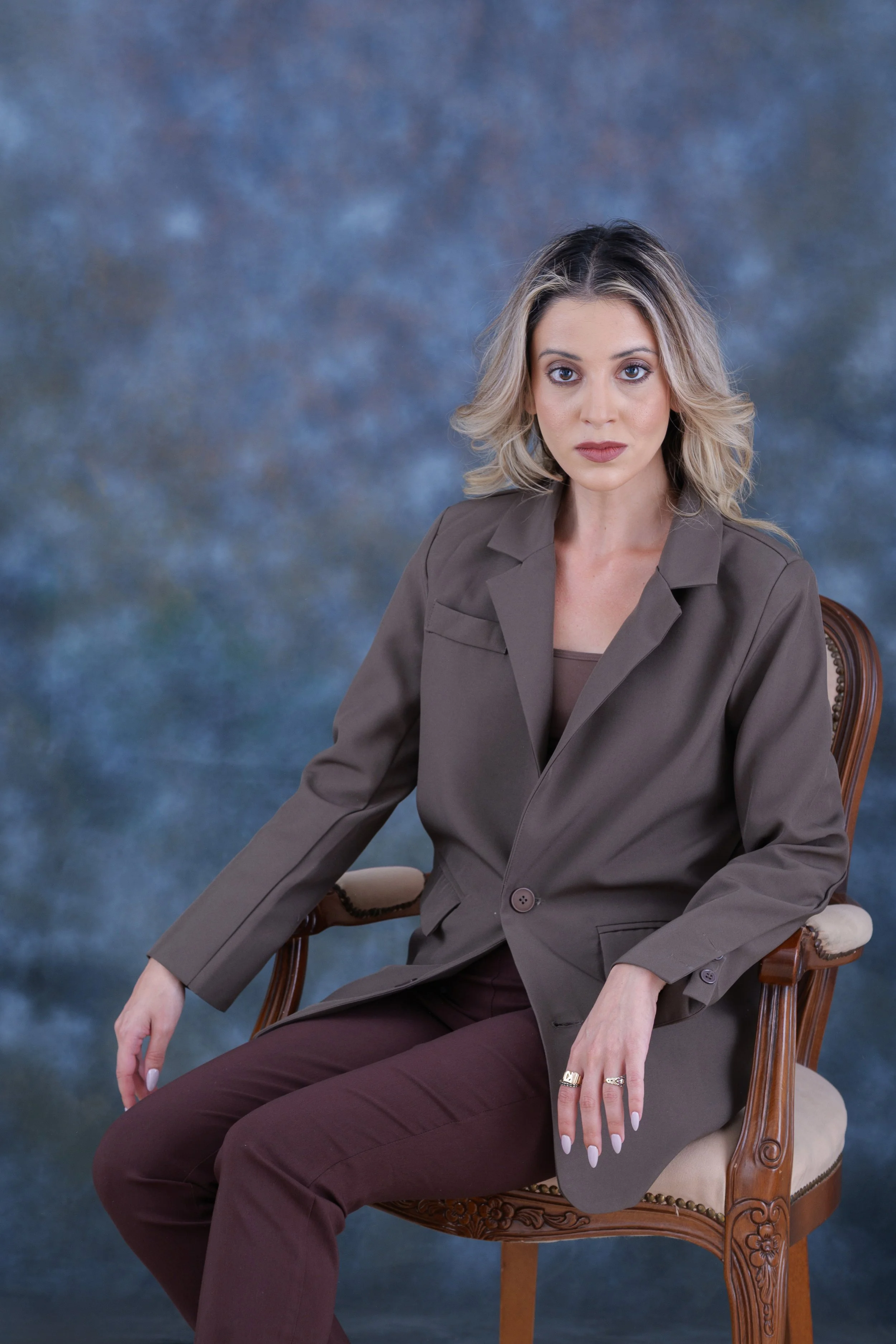
How do you react when people talk about your image more than your performance?
That just means I’ve got to build and develop a more intriguing performance. Our image only becomes interesting if we’ve built a persona around it that then influences future opportunities relating to performance.
Does fame feel like a costume actors have to put on?
The mere concept of being a public figure is a performance. Actors should engage in laughter; tease people and play with life itself. It’s no longer about a person’s natural demeanour, it’s about charisma. We play roles beyond the scope of acting, because every social encounter in the world of entertainment is a performance.
If you had to choose between an award-winning role and a role that deeply changed you, which would you choose?
An award-winning role would certainly be a role that deeply changes me. But I’m not there yet. It will take a long time for me to get there, so it’s important to rely on other sources for happiness and artistic fulfilment. But I do want to be recognised for my talents and rewarded someday. My life could look different, but that doesn’t make my current life any lesser. I’m simply becoming a more advanced version of myself each day; and regardless of my visibility I am confident that my life will always provoke a sense of intrigue. I’ve been quite an eccentric person far too long for the industry to not eventually pick up on it.
Photographer: Maximos Iacovou @maximos_iacovou
Actress: Tina Kilberg @tinakilberg
WB: https://www.tinakilberg.com
TW: https://twitter.com/tinakilberg
YT: https://www.youtube.com/@tinakilberg7230
Hair Stylist: Panagiota Theodoroy @panagiotatheodoroy
Makeup Artist: Andria Maria Grigoriou @antria_maria.g
Nail Artist: Andria Lamprou @luxury_glow_beauty_salon
To see more visit our section Fashion.