THE WHISPER THAT SHOOK THE WORLD: HOW BOSSA NOVA QUIETLY CONQUERED JAZZ

In the early 1960s, American jazz was characterized by blistering tempos, aggressive brass, and the lingering, explosive energy of bebop. But 5,000 miles away, along the sun-drenched coastlines of Rio de Janeiro, a radically different sound was quietly taking shape. It wasn't born in smoky nightclubs or crowded dance halls, but in the affluent, breezy apartments of Copacabana and Ipanema. A group of young, middle-class Brazilian musicians decided to strip away the booming percussion of traditional samba, reducing its complex polyrhythms to a sophisticated, syncopated whisper played on a single acoustic guitar. They called this stripped-down, effortlessly cool sound bossa nova, which translates simply to "new trend" or "new wave."
The true genius of bossa nova lay in its deceptive simplicity. Pioneers like João Gilberto and Antônio Carlos Jobim combined the rhythmic sway of samba with the complex, colorful chords of American jazz, delivering the lyrics in a hushed, almost conversational tone. It was a music of atmosphere and intense intimacy, replacing the loud, demanding energy of the era with a melancholic, romantic tension. When American jazz heavyweights caught wind of this sound, they recognized its brilliance immediately. Saxophonist Stan Getz, already a star in the States, traveled to New York to record with Gilberto and Jobim—a collaboration that would inadvertently change the trajectory of popular music.
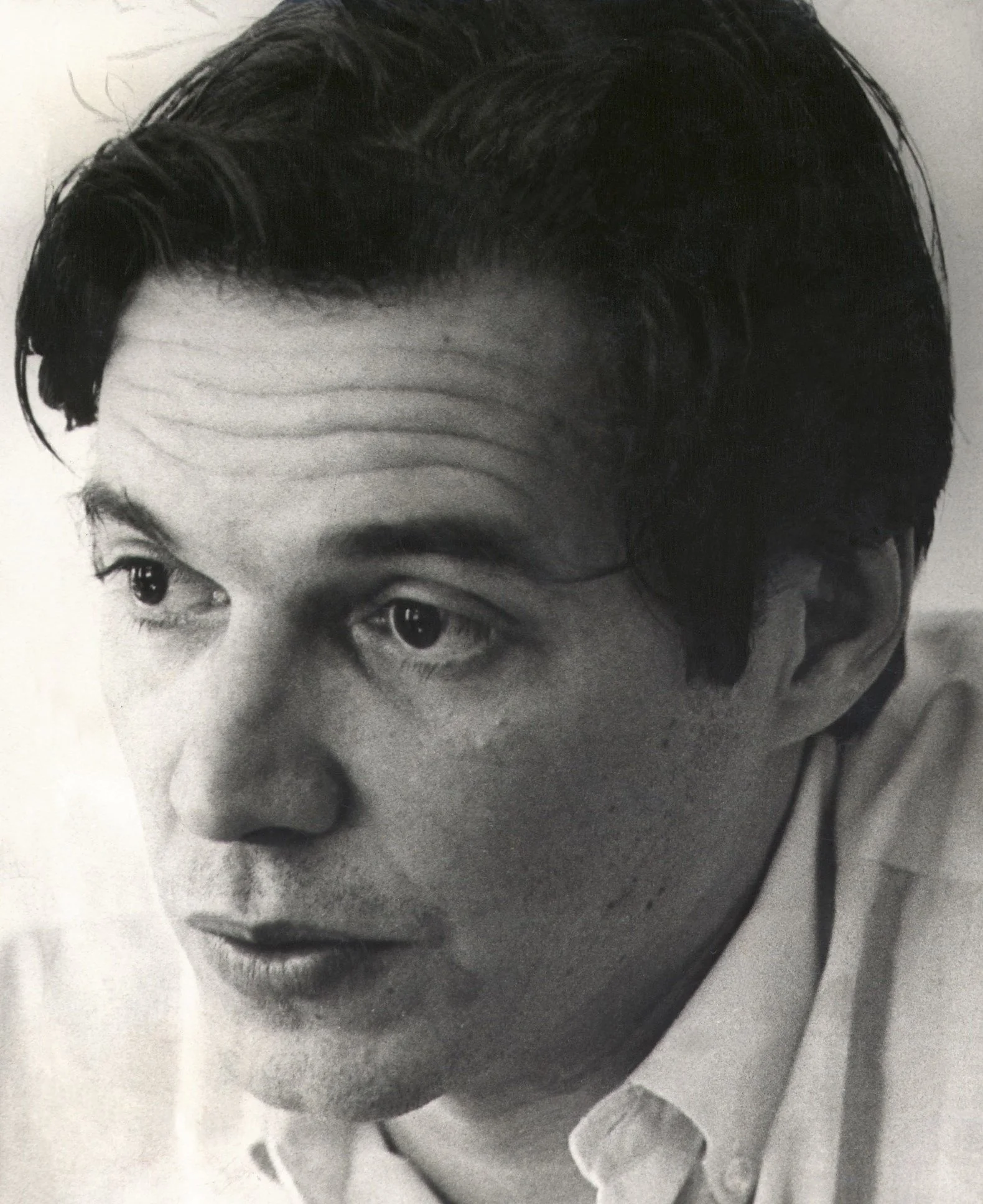
Antonio Carlos Jobim. Brazilian National Archives, Public domain, via Wikimedia Commons
The resulting 1964 album, Getz/Gilberto, didn't just introduce bossa nova to the world; it caused a global cultural earthquake. The record's centerpiece, "The Girl from Ipanema," featured the untrained, mesmerizingly detached vocals of Gilberto's wife, Astrud. Her effortless delivery, floating over Jobim's piano and Getz's buttery saxophone, became an instant international sensation. The song dominated the airwaves, unexpectedly knocking the Beatles off the top of the charts and earning the Grammy for Record of the Year. Bossa nova ceased to be just a Brazilian subgenre and transformed into a worldwide craze, influencing everything from Frank Sinatra's repertoire to the very fabric of easy-listening and lounge music.
Yet, beneath its smooth exterior, bossa nova fundamentally expanded the vocabulary of jazz itself. It taught American musicians that power could be found in restraint, and that Latin grooves didn't always need to be aggressive to be deeply infectious. Today, those quiet, syncopated guitar patterns and breathy vocal stylings remain permanently embedded in the global musical consciousness, proving that sometimes the most revolutionary sound isn't a shout, but a whisper.
When bossa nova exploded onto the American music scene in the early 1960s, the traditional jazz establishment didn't quite know what to make of it. At the time, jazz was splitting into two intense directions: the aggressive, hyper-complex modal explorations pioneered by Miles Davis and John Coltrane, and the soulful, blues-heavy hard bop of artists like Art Blakey. Suddenly, here was a genre that was quiet, rhythmically swaying, and relentlessly polite. The reaction from American jazz musicians became a fascinating mix of immediate commercial capitalization, genuine artistic curiosity, and more than a little purist skepticism.
For some musicians, the bossa nova wave was both a goldmine and a much-needed lifeline. By the late 1950s, the rise of rock and roll was steadily eating into the traditional jazz audience. Bossa nova offered a sophisticated, danceable alternative that appealed to adult listeners. Guitarist Charlie Byrd had toured South America in 1961 and brought acoustic bossa nova records back to the States. He played them for tenor saxophonist Stan Getz, who immediately recognized the genre's infectious potential.
Together, Byrd and Getz recorded the album Jazz Samba in 1962, featuring the hit "Desafinado." It was a massive commercial success, hitting number one on the pop charts and sparking the initial craze before Getz/Gilberto even existed. Getz's cool, breathy saxophone tone was a perfect match for the relaxed Brazilian rhythms, and he essentially became the American face of the movement.
As "The Girl from Ipanema" dominated the radio a couple of years later, legendary jazz vocalists realized they needed to adapt to stay relevant. The whispered, conversational style of Brazilian singers was entirely different from the belting, scat-heavy approach of American jazz, but the masters found a way to bridge the gap. Powerhouses like Ella Fitzgerald and Sarah Vaughan began recording bossa nova albums, blending their immaculate jazz phrasing with the syncopated, lilting grooves of Antônio Carlos Jobim's compositions. Even Frank Sinatra famously collaborated directly with Jobim in 1967, producing an album that required the iconic crooner to sing softer and more intimately than he ever had before. For vocalists, bossa nova wasn't just a trend; it was a completely new emotional register.
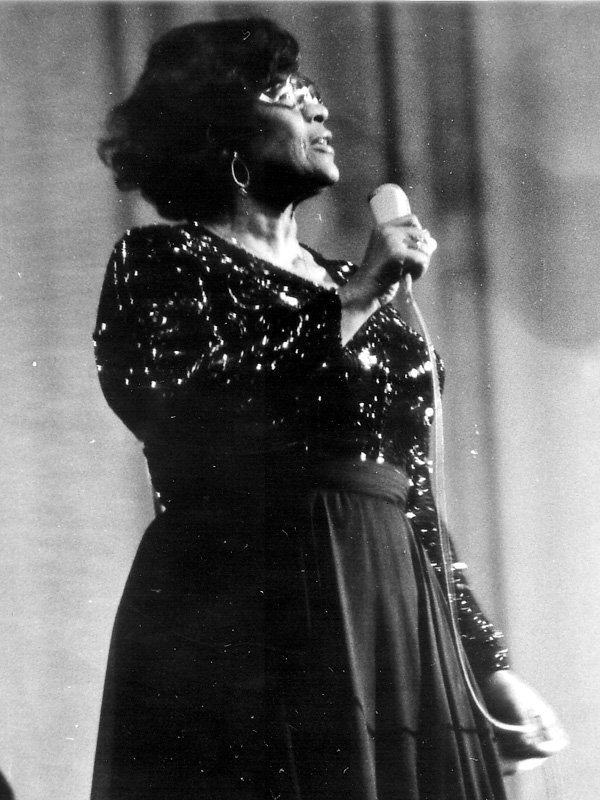
Ella Fitzgerald. Helmut Montag, CC BY 3.0 <https://creativecommons.org/licenses/by/3.0>, via Wikimedia Commons
Yet, not everyone in the jazz world was thrilled. For the avant-garde and hard bop purists, bossa nova felt uncomfortably close to elevator music. Musicians who were pushing the boundaries of civil rights, atonal expression, and fierce improvisation often viewed the breezy, romantic songs from wealthy Rio neighborhoods as a commercial sell-out. To many in the clubs of New York and Chicago, it felt like a fad—a watered-down gimmick designed to sell records to middle-class suburbanites rather than push the art form forward. The release of awkwardly titled novelty cash-ins and rushed bossa nova covers of old swing tunes only fueled the skeptics' fire.
Despite the initial pushback, bossa nova proved impossible to ignore. It wasn't a fleeting pop trend; the harmonic structures of Jobim's songs were simply too sophisticated, and the rhythms too undeniable, for serious musicians to dismiss. Eventually, the jazz community stopped treating bossa nova as a novelty and accepted it as a foundational style. Today, you cannot attend a jazz jam session anywhere in the world without hearing classics like "Corcovado," "Wave," or "Blue Bossa." The quiet revolution from Brazil didn't replace American jazz, but it permanently softened its edges and expanded its borders.
To see more articles visit our section Travel.